
Travel insights from Latin America
Why Latin America’s Hidden Gems Are Ideal for Educational Travel
Author Juan Felipe Jimenez | Published on August 10, 2026
When people imagine a trip to Latin America, they often picture popular destinations like Buenos Aires, Mexico City, Patagonia or Machu Picchu.
These iconic destinations have earned their reputation for good reason; they’re unique, culturally rich, and worth experiencing.
But what if we told you that the most memorable part of your journey wasn’t the place everyone else is visiting, but the hidden gem no one else has visited yet?
Maybe the greatest learnings could come from conversations with locals from not-so-famous places, instead of noisy tourist traps where connecting with the city becomes impossible.
Choosing hidden gems in Latin America doesn’t mean missing out on incredible experiences.
In many cases, it means discovering places where authentic culture, stunning landscapes, and genuine human connections haven’t been overshadowed by mass tourism.
At Kagumu Adventures, we’ve learned that some of the most transformative educational experiences happen in destinations that might not appear on the first page of a travel guide.
They’re places where students become active learners, local communities remain at the heart of the experience, and tourism contributes positively rather than placing additional pressure on fragile environments.
Let’s explore why choosing alternative destinations might be the most rewarding decision you make for your next educational journey.
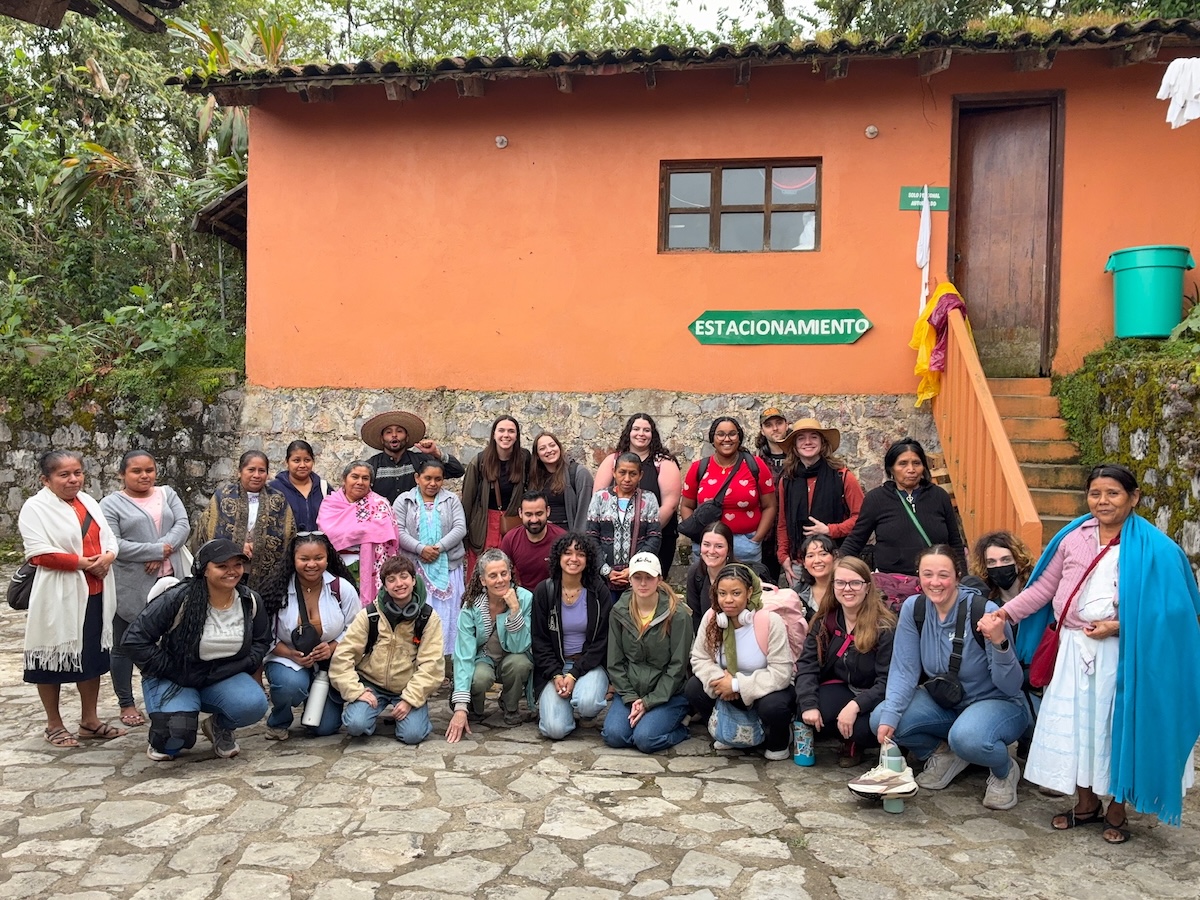
Students on a homestay experience in Mexico
Summary
- There is a new trend for educational trips among teachers, finding alternative destinations instead of famous sites.
- The best educational travel experiences aren’t defined by popularity; they’re defined by the people, stories, and perspectives students bring home.
- Alternative destinations like Lonquimay, Córdoba, Kuelap, and Cantona demonstrate that extraordinary journeys don’t require following the crowd.
- Alternative destinations are a great opportunity to support a more sustainable approach to planning your educational trip.
Why are more travelers looking beyond famous destinations?
There’s no question that tourism creates opportunities. It can support local economies, promote cultural exchange, and help preserve natural and historical sites.
However, when millions of visitors concentrate in only a handful of places, the balance begins to shift. Overtourism affects much more than crowded viewpoints as highlighted here by UNESCO.
Communities experience hidden costs of mass tourism like rising living costs, traditional neighborhoods change rapidly, natural ecosystems become increasingly fragile, and visitors themselves often leave feeling overwhelmed rather than inspired.
For teachers organizing educational travel, overcrowding creates another challenge: it becomes difficult for students to engage meaningfully with a destination.
That’s one reason why more educators are exploring unique travel destinations that provide richer learning environments.
Why hidden gems create better educational experiences
When groups come on a trip with Kagumu, to visit hidden gems across Latin America, they can find themselves sitting with local artisans, listening to community leaders explain conservation projects, or learning directly from Indigenous communities about traditions that continue today.
During our hikes to Lost City, students have learned the traditions of the native Kogi and Wiwa communities firsthand.
While in Peru, students stay with families in the Cuyo Chico community in the Sacred Valley. These are authentic exchanges built on mutual respect.
Smaller destinations also allow students to ask more questions, reflect more deeply, and engage with complex social and environmental topics in ways that busy tourist hotspots rarely allow.
For example, by letting your students, like Jake Sagan who visited Colombia on a Spanish Immersion Program and stayed with a local family:
“The homestay was an incredible way to legitimately connect with Colombians and discover what the culture is like. I was beyond lucky to be spoiled by an incredibly open, loving, and kind family. My Spanish speaking skills improved so much more because I had to speak their language every day.”
Rather than rushing from one famous attraction to another, students become observers, listeners, and active participants. That’s the difference between sightseeing and experiential learning.
Four destination swaps that offer richer experiences
Choosing alternative destinations doesn’t mean sacrificing unforgettable landscapes or cultural experiences.
Often, it means discovering places with equally powerful stories, but fewer crowds.
Here are two examples that illustrate this approach.
Instead of Buenos Aires… explore Córdoba
Known for its universities, colonial heritage, contemporary art scene, and surrounding mountain landscapes, Córdoba invites travelers to experience Argentine culture beyond the capital.
For students, it’s an opportunity to discuss topics such as education, civic engagement, regional identity, and sustainable urban development. Oh, and students can learn to live like a traditional Argentine Gaucho through song, dance, horseback riding, and of course the asado!
Instead of Machu Picchu… visit Kuelap
Few places capture people’s admiration quite like Machu Picchu. Its beauty and importance are undeniable. But Peru’s history extends far beyond this ancient Inca city.
Located in northern Peru, Kuelap was built by the Chachapoya civilization centuries before the Incas expanded across the Andes.
Often called the “Machu Picchu of the North,” Kuelap offers monumental stone architecture, cloud forests, and extraordinary archaeological significance, without the same visitor pressure.
As one of the most remarkable, lesser-known destinations in Peru, Kuelap is a great alternative destination for your next educational trip.
Instead of Patagonia… discover Lonquimay
Patagonia deserves its global reputation. Its glaciers, mountains, and national parks attract visitors from around the world every year. But southern Chile offers another incredible opportunity that’s often overlooked.
Lonquimay combines volcanic landscapes, ancient forests, Mapuche culture, and outdoor adventures without the intensity of heavily visited tourist routes.
Students explore how Indigenous communities have lived alongside these landscapes for generations, gaining insights into resilience, environmental leadership, and cultural identity,
Instead of Teotihuacán… experience Cantona
Mexico’s Teotihuacán attracts millions of visitors every year. Yet relatively few travelers have heard of Cantona.
Located in Puebla, this ancient city stretches across volcanic landscapes with thousands of interconnected structures and pathways.
Without large crowds, students can better imagine how the city once functioned and reflect on the diversity of ancient civilizations throughout Latin America.
It’s one of those remarkable hidden travel gems that will astound students, and like our Mexico tours, students won’t just hear about the history and culture; they will experience it through sacred rituals, workshops and Pre-Hispanic games
Responsible travel begins with intentional choices
Choosing unique travel destinations is about asking a different question before every journey.
Instead of asking “What are the most famous places?” ask: “Where can our visit create the greatest positive impact?”
Responsible travel is about making thoughtful decisions. From a social perspective, that means staying longer in one community, choosing local guides instead of international operators, and supporting family-owned businesses rather than global chains.
At Kagumu Adventures, we’ve made some difficult decisions over the years. One example was our decision to step away from taking groups to Comuna 13 after listening carefully to concerns from local residents.
Responsible tourism requires adapting as communities evolve. Travel should benefit both visitors and the people who call these places home.
Better for communities, better for students
Alternative tourism creates benefits that extend well beyond the itinerary.
When tourism spreads to lesser-known destinations, economic opportunities reach more local communities instead of concentrating in just a few places. Local businesses gain visibility, traditional knowledge is valued, and communities maintain greater control over how tourism develops.
One inspiring example is the Quechua village of Cuyo Chico in Peru’s Sacred Valley, where community-led tourism has helped preserve local traditions while creating sustainable livelihoods.
Instead of tourism happening to the community, residents lead the experience themselves, giving students the opportunity to learn directly from the people who call this place home.
Students benefit just as much. Rather than discovering destinations as products, they begin to understand them as living communities with complex histories, environmental challenges, and rich cultural traditions.
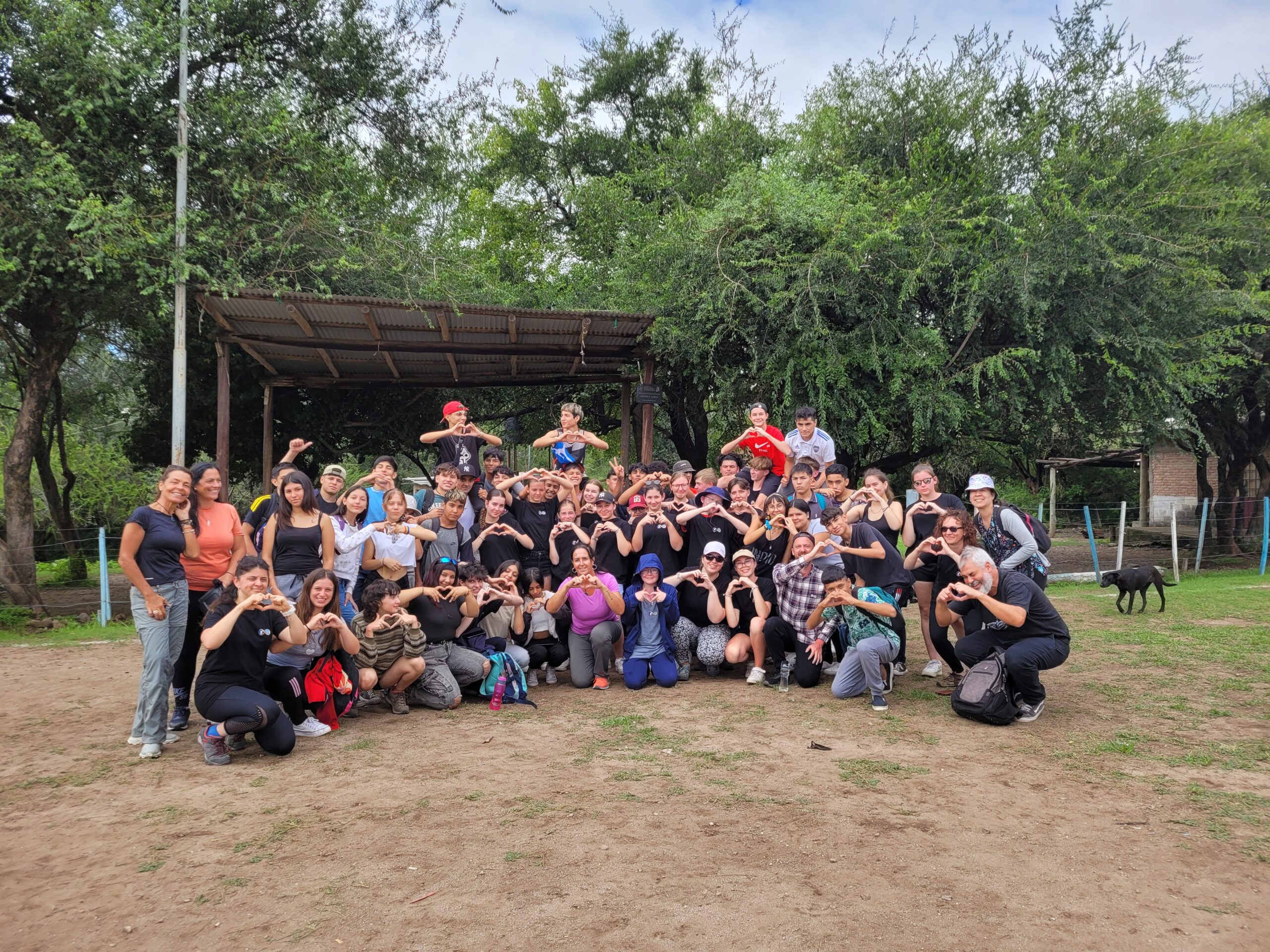
Students on a homestay experience in Córdoba, Argentina
Looking beyond the map
Choosing unique places to visit in Latin America means recognizing that extraordinary journeys often happen just beyond the places everyone already knows.
For educators, these destinations offer something even more valuable. They transform travel into a classroom without walls, one built on curiosity, respect, and human connection.
If you’re looking for an itinerary designed around these values, Kagumu Adventures will be launching four alternative destination swaps that highlight incredible places beyond the usual tourist trail.
Explore our Alternative Break in Latin America and discover how educational travel can create lasting impact for both students and the communities they visit.
Frequently Asked Questions
Why could alternative destinations be better for educational travel?
Alternative destinations encourage deeper learning by giving students more opportunities to engage with local people, explore environmental issues, and experience culture beyond traditional tourist attractions.
Can visiting lesser-known destinations still support local economies?
Absolutely. Choosing lesser-known destinations helps distribute tourism income more evenly, and it can often be a much better way to support small businesses, local guides, artisans, and community initiatives that may not benefit from mainstream tourism.
Does responsible tourism mean avoiding famous places?
Not necessarily. Responsible tourism is about making intentional choices that minimize negative impacts and maximize positive contributions. Sometimes that can mean visiting famous sites responsibly by buying local crafts, choosing a local guide and taking your garbage with you.
How does Kagumu choose alternative destinations?
We prioritize places where local communities welcome educational travel, working closely with the people who live and understand these destinations and share our vision for more sustainable and regenerative lifestyles.
That way, we can ensure meaningful cultural exchange is possible and that tourism contributes positively to both people and the environment.


