
Travel insights from Latin America
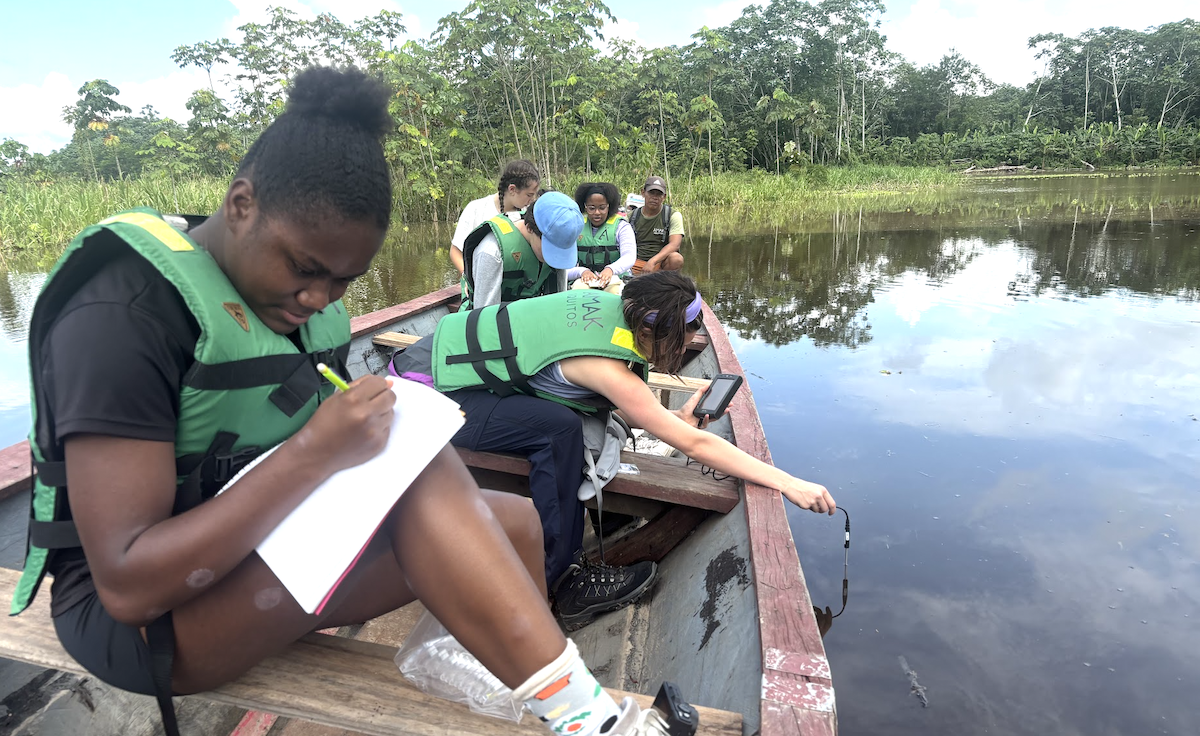
Author Juan Felipe Jimenez | Published on November 26, 2026
Visiting another country can introduce students to unfamiliar cultures, landscapes, and perspectives. But an interesting destination does not automatically make an educational trip. The difference lies in what students are asked to learn, how they engage with the places they visit, and how they make sense of those experiences.
Well-designed school trips abroad connect four elements: clear learning outcomes, preparation, purposeful field activities, and reflection. When these work together, travel becomes an extension of the classroom rather than a break from it.
Start With Clear Learning Outcomes
For a Spanish class, the objective might be to communicate more confidently in real-life situations. For environmental science students, it could be to learn about unfamiliar ecosystems. A humanities group might investigate how local history shapes a community today.
These objectives lead to different activities, conversations, and assignments, even when groups visit the same destination.
Consider the environmental science option. Instead of treating a visit to the Galápagos as a sightseeing opportunity, teachers can establish questions about biodiversity and conservation before departure. Those questions then provide a framework for interpreting what students encounter at the destination.
At Kagumu, we design school trips and educational programs in Latin America around subject areas and curriculum requirements, all designed to meet the specific needs of each faculty we work with.
Prepare Students for the Place They Will Study
Learning begins before departure. Students need enough context to understand what they encounter abroad and participate respectfully.
Preparation might include:
- Local history: Introduce the historical events and social changes relevant to the subject.
- Community perspectives: Explore how local residents describe their own experiences, priorities, and challenges.
- Language and terminology: Teach useful vocabulary and concepts students will need during field activities.
- Cultural expectations: Discuss appropriate behavior, photography, consent, and respectful engagement with local people.
- Investigation questions: Ask students to identify assumptions they want to examine or questions they hope to answer.
This preparation helps students move beyond passive observation. Rather than simply seeing an unfamiliar place, they arrive ready to listen, ask informed questions, and recognize that their first impressions may not tell the whole story.
It also creates a useful reference point for reflection later. Students can revisit what they expected to find and consider how their understanding changed. We can help provide that background as part of the trip preparation. Students can then revisit their initial expectations and consider how their understanding changed through the experience.
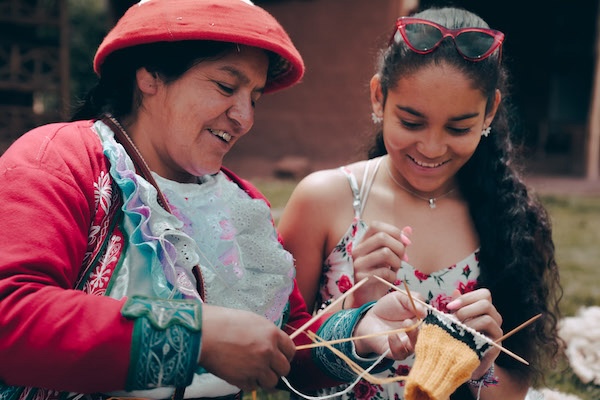
A Kagumu student on a cultural immersion trip in Peru
Give Every Field Activity a Learning Purpose
An activity becomes educational when students have a reason to engage with it beyond attendance.
For example, Kagumu offers Spanish immersion trips in Colombia. A teacher could connect a planned language-learning activity to a specific outcome, such as using Spanish to ask follow-up questions in a real-life conversation. Students could then record the vocabulary they used, identify where communication became difficult, and assess their progress against a pre-trip baseline.
The activity provides the opportunity to practice. The learning task makes that practice purposeful, while the follow-up helps students identify what they can do next.
The same principle applies across subjects. Depending on the program and its available activities, students might:
- Record and interpret environmental observations.
- Compare historical sources with what they encounter at a site.
- Map how land use varies across a landscape.
- Analyze differences between their initial assumptions and information gathered through guided conversations.
These are examples of possible learning tasks, not a claim that every Kagumu itinerary includes them. Teachers and program designers should agree on suitable activities with the relevant local partners before departure.
Good educational design also respects the people and places involved. Community members are not simply teaching resources, and culturally significant sites are not classrooms without boundaries. Students should understand when observation is appropriate, when permission is needed, and when a community’s preferences take priority.
Build Reflection Into the Program
Experiential learning involves more than doing something firsthand. The Association for Experiential Education describes it as direct experience supported by focused reflection to develop knowledge, skills, values, and the capacity to contribute to communities.
For teachers, this means giving students time to examine what happened, interpret its significance, and connect it to what they already know.
Reflection works best when it happens throughout the trip, not only after students return home. Practical options include:
- Field notes: Record observations, questions, and moments that challenge existing assumptions.
- Guided discussions: Compare interpretations and examine why students may have understood the same experience differently.
- Short presentations: Explain a finding using evidence gathered during the trip.
- Assumption checks: Revisit pre-trip questions and identify what students would now answer differently.
These activities need not be complicated. A short discussion at the end of a field day can help students identify gaps in their understanding while there is still time to investigate them.
For teachers planning secondary school trips abroad, regular reflection also provides opportunities to address misconceptions before they become part of a student’s final interpretation.
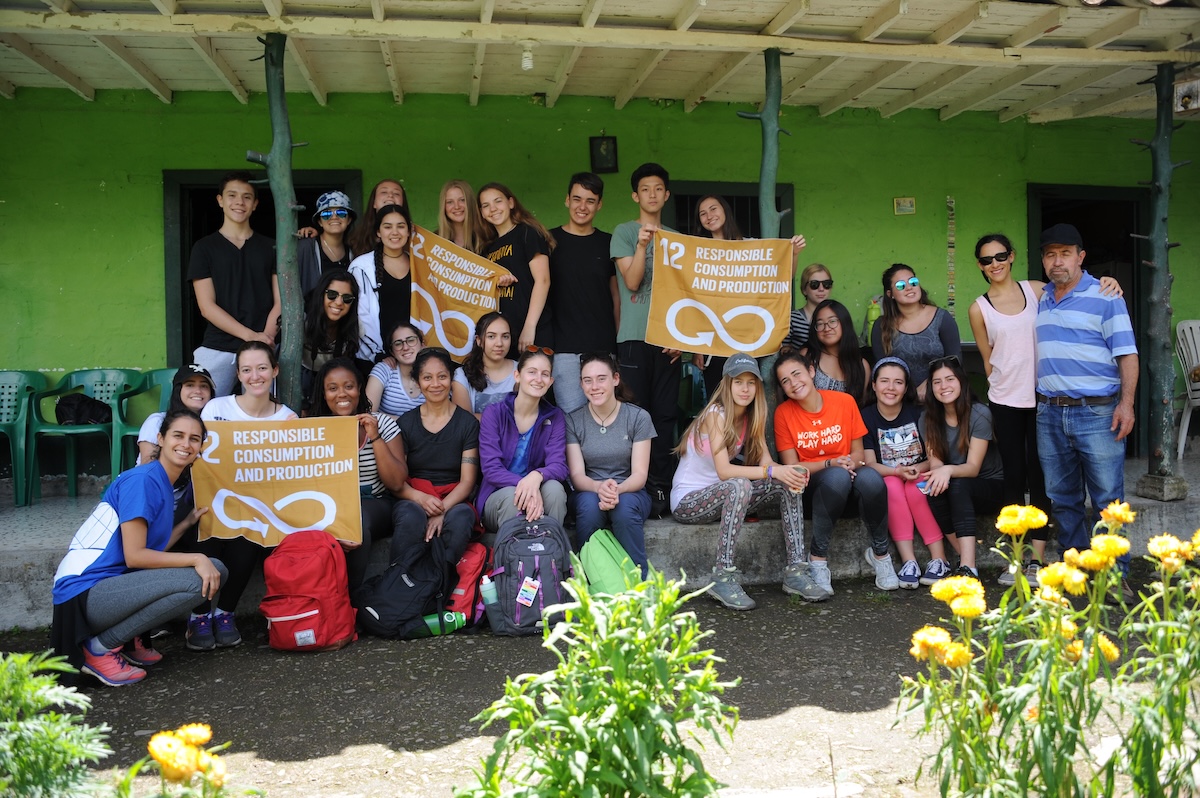
Students on a Kagumu trip engaging in the Sustainable Development Goals
Show What Students Learned
A memorable experience is not, by itself, evidence of academic progress. Teachers need ways to assess what students can explain, apply, or demonstrate because of the trip.
Choose assessment methods that match the original learning outcomes. Depending on the subject, evidence might include field notes, a research project, a language task, a presentation, or a comparison of pre-trip and post-trip responses.
For example, a Spanish teacher could compare students’ initial and final performance on a similar communication task. An environmental science teacher could assess whether students can use field observations to support an evidence-based explanation.
Feedback from local partners may also help educators understand how students participated and whether their engagement was appropriate. It should complement, rather than replace, academic assessment.
The Forum on Education Abroad’s Standards of Good Practice offers a framework for developing and evaluating education abroad programs. Although designed primarily for postsecondary education, its emphasis on program quality and continuous improvement can inform educational travel more broadly.
If you are considering how to plan a school trip abroad, decide in advance what evidence will demonstrate that the learning objectives were met. This makes it easier to evaluate the experience and improve future programs.
Final Thoughts
The value of an educational trip is not measured by how many places students visit. It depends on what they investigate, how they engage with the destination, and what they can explain or demonstrate afterward.
At Kagumu, we work with educators to connect travel with curriculum goals through tailored programs in Latin America. If you’re exploring a trip for your students, learn more about our school programs and consider which learning outcomes you want the experience to support.
Frequently Asked Questions
What makes a school trip educational?
A school trip becomes educational when it has defined learning outcomes, relevant student preparation, purposeful activities, and opportunities for reflection and assessment.
How do you plan learning outcomes for a school trip abroad?
Start with curriculum requirements and identify what students should understand, practice, or produce. Use those objectives to select the destination, field activities, preparation tasks, and assessment methods.
How can teachers assess learning during an overseas school trip?
Teachers can use field notes, research assignments, presentations, practical tasks, and comparisons of students’ understanding before and after the trip. Assessment should reflect the original learning objectives.
Why is reflection important after a school trip?
Reflection helps students interpret their experiences, question assumptions, and connect observations with academic concepts. Including it during the trip also gives students time to investigate unanswered questions.


