
Travel insights from Latin America
Author Juan Felipe Jimenez | Published on August 24, 2026
As iconic sites like Machu Picchu and Teotihuacán continue to welcome millions of visitors each year, overtourism is making it increasingly difficult for both travelers and local communities to fully enjoy these extraordinary places.
For educational groups, crowded pathways and tight schedules can limit opportunities for meaningful learning.
Fortunately, Latin America is home to more remarkable archaeological sites that offer equally enriching experiences while allowing students to spend less time in queues and more time exploring, asking questions, and connecting with the stories of ancient civilizations.
Two alternative destinations perfectly capture this approach: Kuelap in Peru and Cantona in Mexico.
Key Takeaways
- Kuelap introduces students to the fascinating Chachapoya civilization, expanding their understanding of ancient South American cultures.
- Cantona is one of the largest Mexican archaeological sites and offers a quieter, more immersive experience than Teotihuacán.
- Exploring ancient temples in Peru and Mexico beyond the most famous landmarks encourages deeper learning and richer classroom discussions.
- Alternative archaeological destinations reduce time spent in crowds and increase opportunities for observation, reflection, and meaningful engagement.
- Kagumu’s educational itineraries are designed to help teachers create unforgettable learning experiences through immersive, community-focused travel.
Discover the Chachapoya civilization at Kuelap
When people think about Peru, they almost immediately think about Machu Picchu.
With Kagumu, students have learned that Peru’s history stretches far beyond the famous Inca site in our Peru Educational Tours.
Long before Machu Picchu became one of the world’s most famous landmarks, another indigenous civilization, the Chachapoya, built one of South America’s most impressive fortified cities.
Located high in northern Peru, Kuelap sits above the cloud forests, surrounded by spectacular mountain scenery.
Built centuries before the Incas expanded across the Andes, this remarkable archaeological complex tells the story of an entirely different civilization.
Its massive circular stone buildings, defensive walls, and elevated location demonstrate sophisticated engineering and urban planning that many visitors have never heard about.
For teachers, this creates an excellent opportunity to introduce students to the diversity of ancient South American civilizations rather than focusing exclusively on one empire.
If your itinerary also includes exploring Cusco’s history and culture, students can compare two civilizations that developed in different periods and regions, creating richer historical discussions throughout the trip.
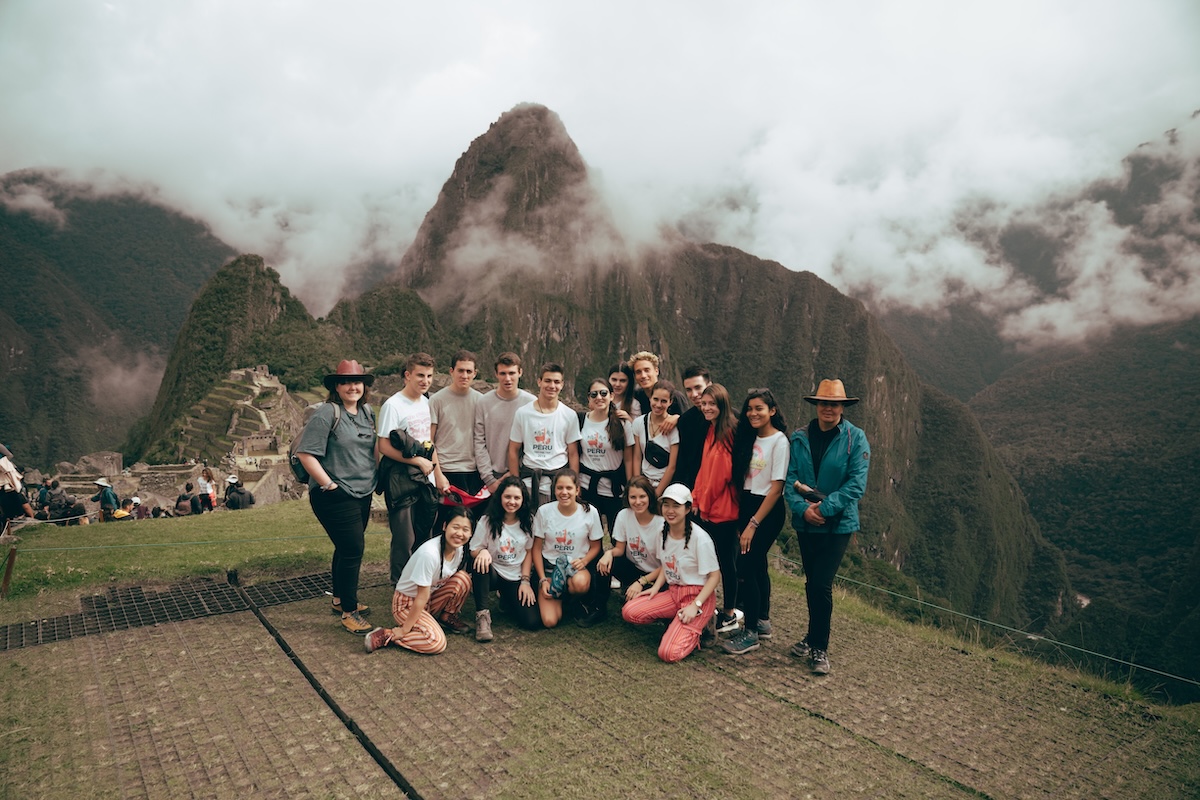
Machu Picchu is a great site to visit but is struggling from overtourism
A more responsible way to experience Peru
Machu Picchu remains one of the world’s greatest archaeological treasures.
But its popularity also creates significant challenges.
Visitor numbers continue to increase while conservation efforts like establishing rules to enter the city are trying to overcome the effects of overtourism.
Choosing places like Kuelap encourages a more balanced approach to educational travel.
Students still experience remarkable ancient temples in Peru, while also discovering stories that many travelers never hear.
This approach spreads tourism more evenly across the country while supporting local communities beyond Peru’s most visited destination.
One inspiring example is the Quechua community of Cuyo Chico, where community-led tourism is creating sustainable opportunities while preserving cultural traditions.
“The students were able to enrich their own lives thanks to the activities and interaction with the communities. It was a key element in raising students’ awareness about global issues,” Jonathan Hermida described his students’ experience visiting this community with Kagumu.
Explore one of Mexico’s largest archaeological cities, Cantona
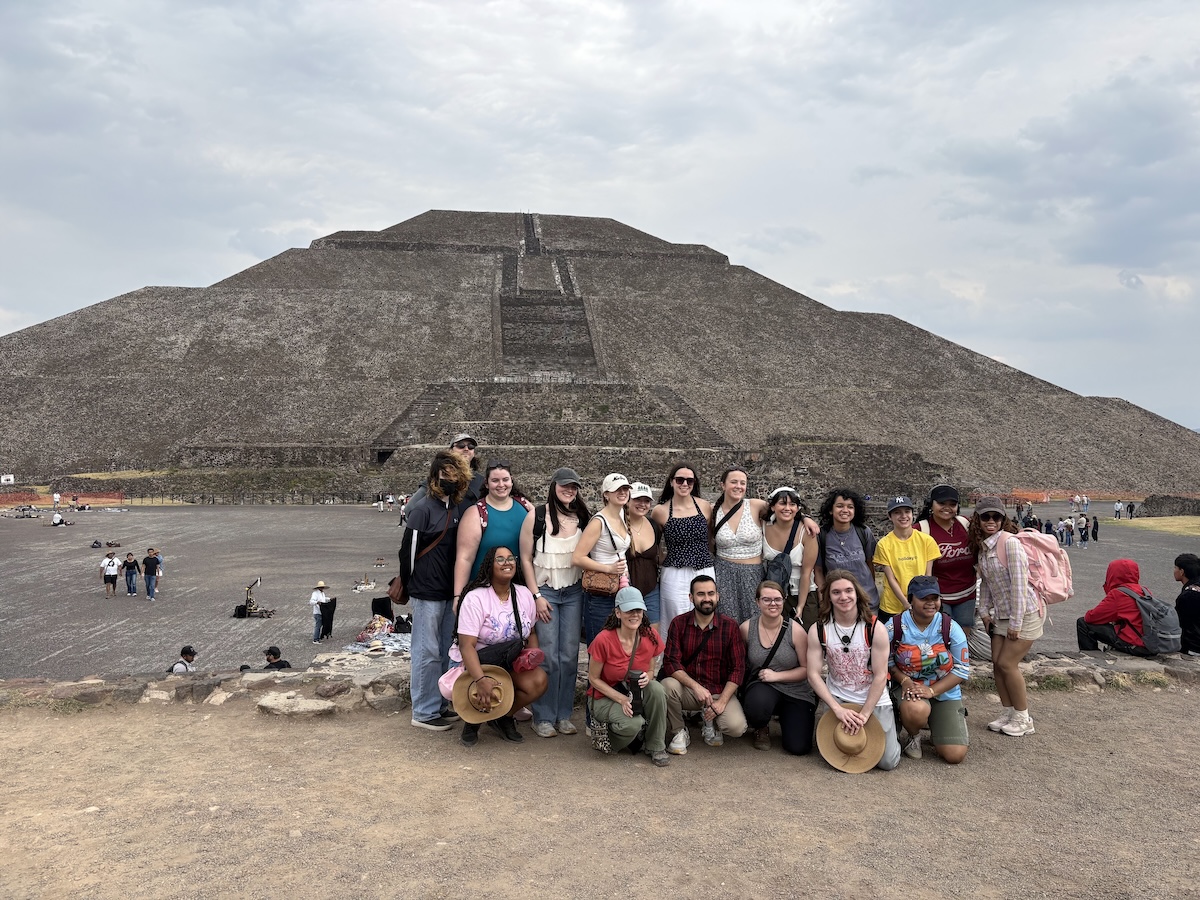
Teotihuacán is undoubtedly one of the world’s most iconic archaeological sites.
Its Pyramid of the Sun and Pyramid of the Moon welcome thousands of visitors every year.
But relatively few travelers realize that another extraordinary archaeological city lies in Puebla.
Cantona stretches across volcanic terrain being considered one of the largest archaeological sites in Mexico, covering a significantly larger area than Teotihuacán.
Without the large tour groups typically found at more famous sites, students on our Mexico educational trip have the freedom to explore at a slower pace.
Rather than moving quickly from one pyramid to another, they can imagine how neighborhoods functioned, how trade developed, and how daily life unfolded centuries ago.
For educators, this creates a far more interactive learning experience. Instead of simply admiring monuments, students get the chance to reflect and understand how these ancient civilizations developed and evolved, and the challenges they faced along the way.
Why teachers are choosing alternative archaeological sites
The goal isn’t to avoid famous destinations, but rather to create a more profound impact.
At sites like Kuelap and Cantona, students spend less time in crowds and more time exploring the stories of ancient civilizations.
Smaller visitor numbers give teachers the flexibility to pause for discussion, encourage critical thinking, and connect lessons to the archaeological landscape around them.
Alternative archaeological destinations are a great way to make your educational trips connect more deeply with the country’s heritage by learning about a side of history no one knows. Contact us and plan the next educational experience for your students.
Frequently Asked Questions
Is Kuelap older than Machu Picchu?
Yes. Kuelap was built by the Chachapoya civilization centuries before the Inca Empire constructed Machu Picchu, making it one of Peru’s oldest and most fascinating archaeological sites.
Which archaeological site is bigger: Cantona or Teotihuacán?
Cantona covers a larger geographical area than Teotihuacán, making it one of the largest archaeological complexes in Mexico, although Teotihuacán remains more famous internationally.
Are Kuelap and Cantona good for educational trips?
Absolutely. Both sites offer quieter environments, allowing students to spend more time exploring, asking questions, and engaging deeply with history.
Why visit alternative archaeological sites?
Alternative archaeological sites offer authentic encounters with history, allowing visitors to explore lesser-known ruins and heritage landscapes while reducing pressure on heavily visited monuments, supporting more balanced cultural tourism across regions.


