Travel insights from Latin America
Author Camila Giraldo | Published on April 28, 2026
Planning school trips can be overwhelming:
Between managing logistics, ensuring student safety, and preparing for the unexpected, the pressure can take away from the experience itself. That’s where having the right systems in place makes all the difference.
In this blog, we will get insights from Kagumu’s dedicated safety officer Nico. He will explore what each school and university needs to look out for to ensure their trip is safe and secure and give tips on what to ask local operators regarding risk assessments.
Summary
- Importance of organising pre-trip safety assessments.
- Daily checklists and monitoring keep students safe on excursions.
- Vetting partners to balance adventure with strict protocols.
- Assessing risk for 2026 and beyond
Meet Nico, Kagumu’s Safety Expert
Nico serves as Safety Officer and Operations Advisor at Kagumu Adventures. His role involves building the agency’s entire risk management system to assess, anticipate, and respond to eventualities during trips.
This ensures greater safety for all participants, especially on our study abroad programs for university and school groups trips.
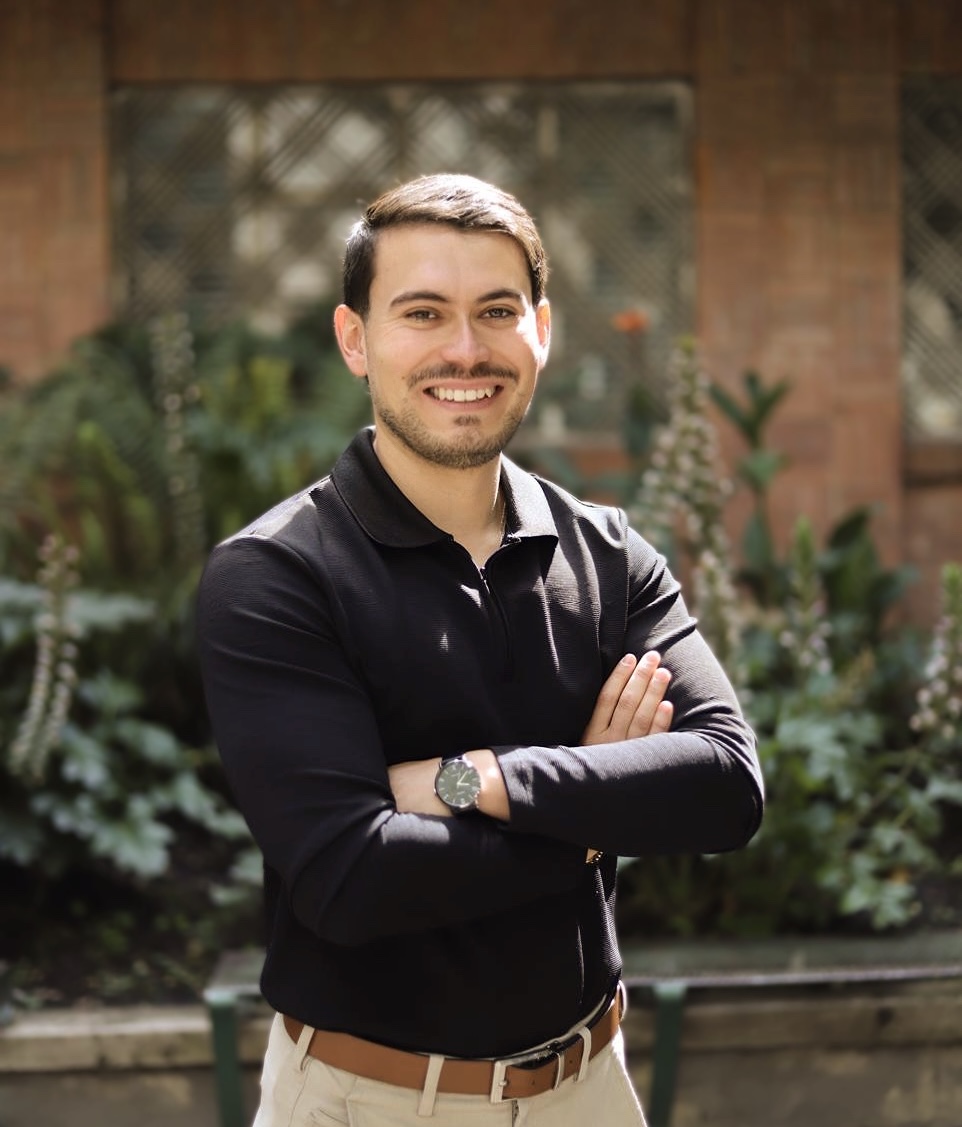
Nicolas works as Kagumu’s safety officer for all student travel
Defining Safe Educational Trips
Nicolas, how do you define a “safe” educational trip at our company, and what are the key pillars of our risk management system?
Answer: I would define it as a space with a controlled environment, which, although difficult, can mitigate risk with information and alerts. In addition, preventive actions in case of emergencies.
Walk us through the exact pre-trip steps you oversee to ensure student safety – training, docs, emergencies?
Answer: Based on the general risk assessment I developed for Kagumu, I identified the greatest risks associated with the trips we take in Colombia.
In addition, I developed a general risk strategy, which includes the documentation required for those involved in the trips: travelers, guides, Kagumu staff, and suppliers. Previous documents such as the medical and psychosocial situations of travelers and informed consent are taken into account.
For suppliers, the necessary documents to ensure that the experience is safe and within scope. On the Kagumu team side, support and work to ensure that the travel experience is safe, and on the guide side, manuals so that they can be applied in cases of emergency.
How does our process help busy teachers to avoid admin overload?
Answer: I try to make the documents as short as possible to prepare and the information shared in alerts, recommendations, and analyses as visual and interactive as possible to read and understand.
What questions should schools ask us to verify our safety standards and what documents do we provide?
- Are you legally certified to work in the country?
- Do you have liability insurance? Can you share…is it up to date?
- Do you have an up-to-date risk assessment and can you share it with us?
- Can you share the background checks and police checks of all your guides.
- What are your emergency procedures and can you share these?
- Are your guides fully first-aid trained and when did they do their last refresher course?
- Can you share some references who I can ask about your safety record?
Vetting Partners and Balancing Adventure
How do you vet and train our local partners in Latin American countries?
Answer: We are currently structuring the risk area in other countries, replicating the success in Colombia.
I understand that each country has different security, climatic, geographical, and social conditions, but we are also holding meetings with local partners to strengthen the area and share successful experiences.
How do we balance adventure (Andean hikes, community projects) with strict safety?
Answer: It is important to understand the routes, paths, or trails where these activities take place, their history, and respect for local beliefs and dynamics.
There must be support from suppliers to develop spaces safely and prior training by Kagumu guides to explain these issues.
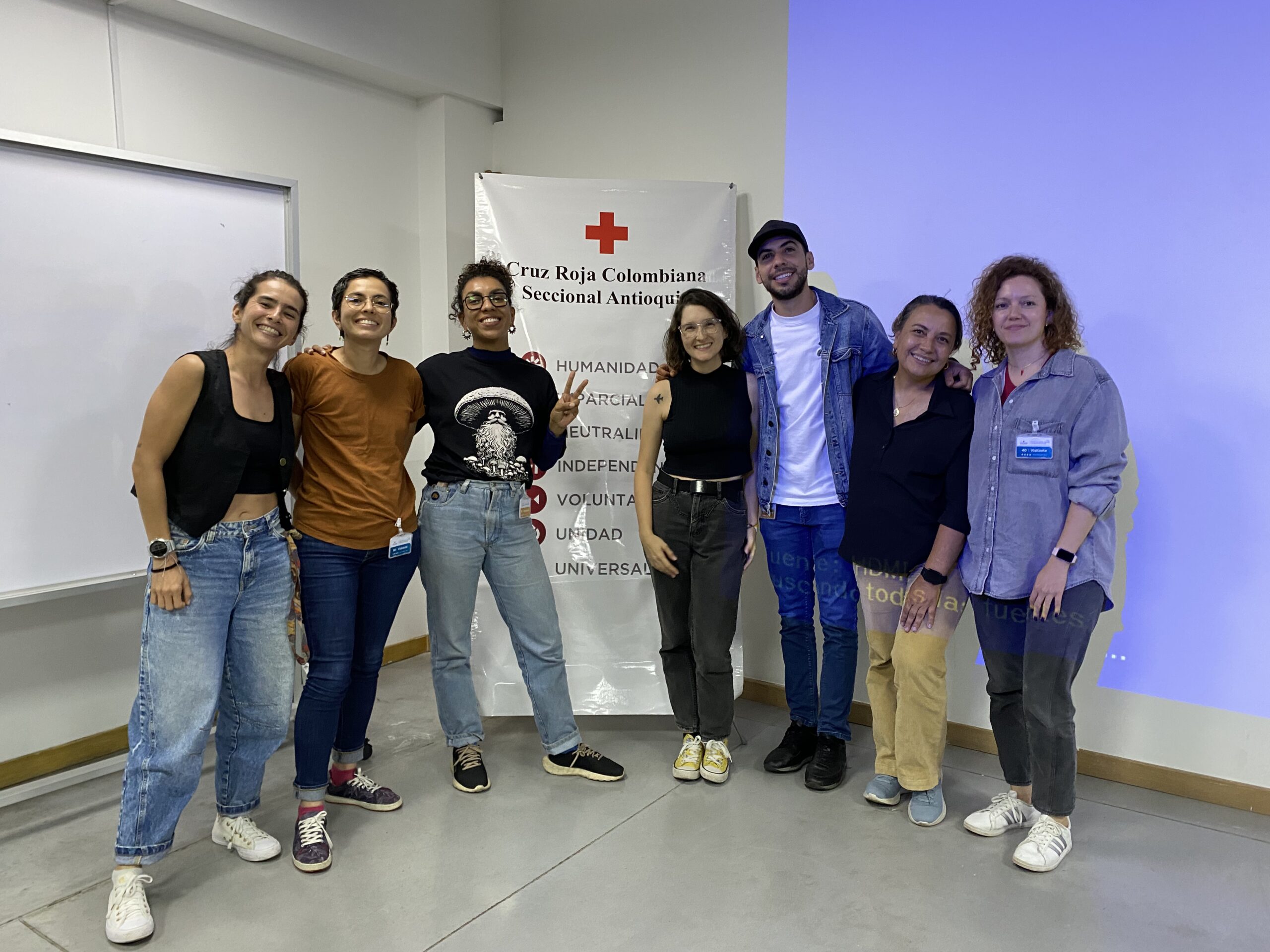
Kagumu’s Tour Leaders on first aid training
Evolving Safety for educational trips in 2026
How is our safety evolving for 2026 (challenges, health, climate, security)?
Answer: In health, it is important to take into account travelers’ medical issues, typical foods that can be consumed, and, in general, medical emergency preparedness due to temperatures or information about the wildlife found in the destination’s surroundings.
In climate, it is important to understand the climatic conditions of destinations through risk analysis, recommendations for activity schedules, and early warnings about risks in aquatic activities, mountain activities, or long walks.
In security, such as violence, it is important to have heat maps in risk analysis and possible crime in the areas surrounding destinations.
One key takeaway for teachers reading this?
Answer: Sustainable travel is generating increasing interest among the population. Human beings, in their constant reflection on the concept of the creation of life, are turning to travel that is more connected with nature, with ancestral cultural populations, and with the understanding of new customs and knowledge that are simpler but more complex in their development.
This creates motivation and has an impact on the preservation of the environment.
On the other hand, understanding this context makes it much easier to create safe spaces where tourists can share and connect with these destinations and populations.
Prevention and knowledge of information and the environment are essential to ensure sustainable, safe, and successful travel.
Ready to plan your next trip? Contact Kagumu Adventures for a custom itinerary and safety checklist.
FAQ
How do you ensure safe educational trips for students?
Through risk assessments, documents, checklists, and monitoring for controlled, low-risk environments.
One piece of advise for a professor planning a safe school trips or study abroad program?
Ensure that you ask your local provider for their safety record and get them to share all their risk and safety documents with you…oh and check the references!
What are some daily protocols for keeping students safe during excursions?
Consulting with local guides, checking the news, keeping an eye on the weather conditions (especially on our Geography trips as they are outside in the wild), keeping an eye on any political changes.


