
Travel insights from Latin America
Teaching Sustainable Development Through Study Abroad Programs in Mexico
Author Juan Felipe Jimenez | Published on September 22, 2026
Mexico is a well-known tourist destination; its history, gastronomy and culture are unique and rich.
But Mexico also offers a great opportunity to explore different concepts of sustainable development, that can often be missed if you do not plan your trip correctly.
Study abroad programs in Mexico can be particularly valuable for faculty designing programs around responsible tourism, conservation, urban regeneration, local enterprise, and environmental management, amongst others.
These themes can move from the classroom into real-world contexts, where students can observe competing priorities and ask better questions.
This approach also reflects the wider national context. UNESCO’s Mexico strategy connects sustainable development with education, biodiversity and water management, culture, innovation and inclusion.
For faculty, the opportunity is to design a program where every field experience contributes to a clear academic question and learning outcome.
Quick Summary
Main considerations for a Sustainable Development Study Abroad Program in Mexico:
- Start with a question: Build the itinerary around a sustainability problem students can investigate.
- Connect theory with evidence: Use observation, mapping, interviews and reflection to move beyond classroom discussion.
- Keep communities central: Consider ethics, participation and who benefits from fieldwork.
- Assess the experience: Turn observations into comparative analysis, practical recommendations or other measurable outputs.
Start With a Sustainable Development Question
For example: How can tourism support local livelihoods without adding pressure to water, housing, waste systems or cultural heritage?
A question like this gives students something to investigate throughout the program. Faculty can then connect it to relevant Sustainable Development Goals without treating the SDGs as a checklist.
Instead, ask students to examine trade-offs: Who benefits? Who carries the costs? What interests compete? Whose knowledge counts?
Students can demonstrate their learning through a stakeholder map, policy memo, field journal, comparative case study or group presentation. These outputs make the connection between academic concepts and field experience visible.
Faculty planning a structured program can also explore Kagumu’s Faculty-Led Study Abroad approach to connecting academic objectives with international field experiences.
For example, in our Spanish immersion trip to Mexico, students improve their Spanish communication skills by visiting different cultural groups that teach them about ancient traditions and ways of life.
Use Responsible Tourism to Examine Sustainability Trade-Offs
Tourism provides an accessible way for students to see sustainable development trade-offs in practice.
Students can examine benefits such as employment and support for cultural or natural heritage alongside pressures including seasonality, resource use, waste, congestion and unequal distribution of income.
Field activities should be built around evidence. Students might observe a destination, map visitor flows, analyze how a local organization communicates its impact or conduct interviews arranged with appropriate consent.
The ethical dimension matters, too.
A community visit is not automatically responsible or beneficial simply because students are learning from it. Faculty should consider what the community gains and whether students are being positioned as observers, participants or researchers.
Check out Kagumu’s webinar on community-based tourism: is it sustainable?
Mexico’s growing tourism sector gives students a concrete way to examine these questions. According to the Mexico Tourism Office, the country recorded 38.4 million international tourist arrivals between January and October 2025, a 5.8% increase from the same period in 2024.
In Mexico City, the growth of tourism and digital nomadism has also been linked to concerns about gentrification in popular neighborhoods such as La Roma and Condesa.
This creates a useful field question: When does tourism generate economic opportunity, and when can increased demand put pressure on housing, local businesses and neighborhood affordability? Students can use cases like Mexico City to examine who benefits from tourism, who may experience its costs and how public policy can respond.
Connect Conservation to Communities and Livelihoods
Mexico’s biodiversity and water-management priorities provide opportunities to connect ecosystems with agriculture, tourism, land use, public policy and local livelihoods.
Students could investigate questions such as: How do protected areas balance conservation and access? How does water scarcity shape local decisions? What does success look like for a restoration project over the long term?
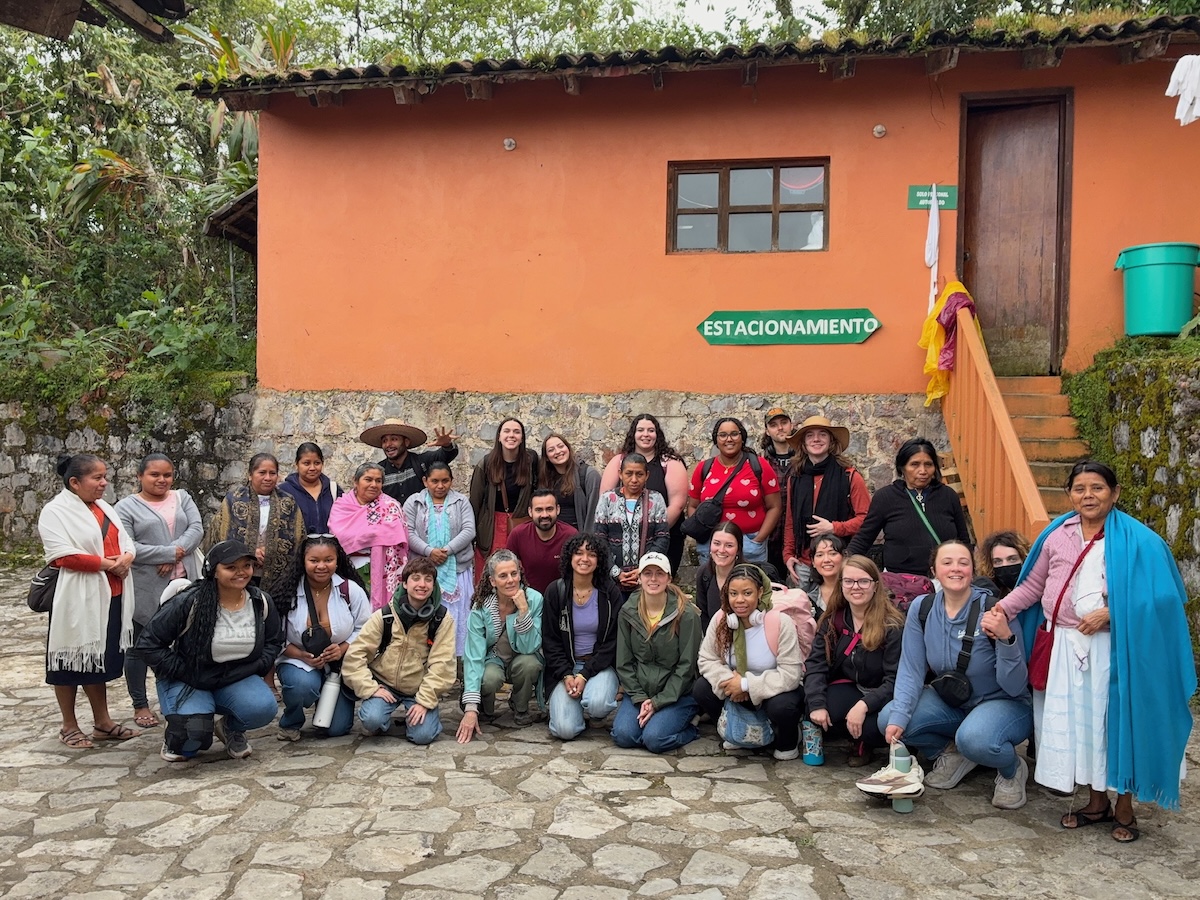
“Staying with the families and at the eco lodge: seeing how they reused resources and made everything from scratch really changed my understanding of sustainability.” Adriana, Student from Nazareth University, Mexico Study Abroad Program 2026
The goal is to distinguish between observation, participation and long-term outcomes. Students may be able to document a conservation challenge, for example, without claiming that a short visit has created a lasting conservation impact.
This distinction encourages more responsible academic fieldwork and gives students a clearer understanding of how environmental issues intersect with economic development and community priorities.
Kagumu’s Sustainability and Impact resources can help faculty frame these questions before students enter the field.
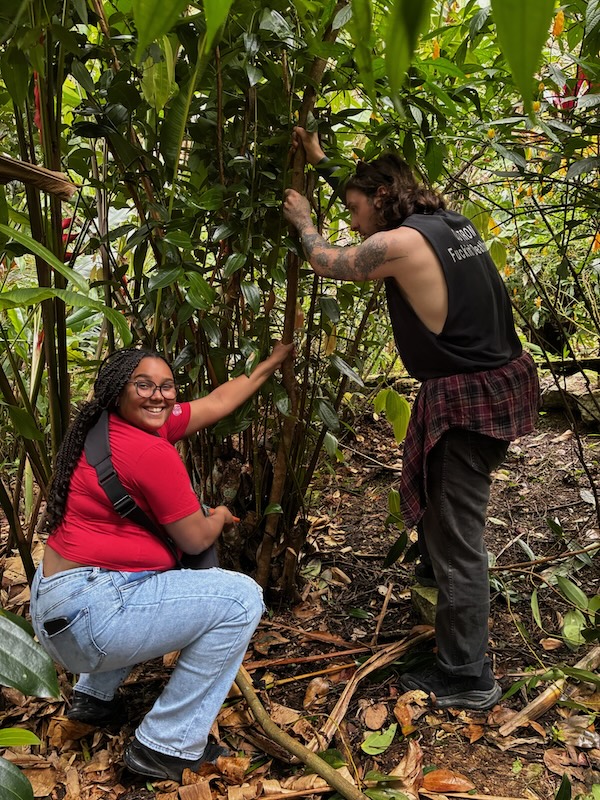
Nazareth University students learning about sustainable agriculture in Mexico
Explore Urban Regeneration as a Social and Environmental Process
Urban regeneration is another way to examine sustainability beyond environmental issues alone.
In cities like Guadalajara, Monterrey or Mexico City, students can experience how transport, housing, heritage, green space, informal economies and access to services interact.
A neighborhood case study could ask students to compare official regeneration goals with lived experience. Who benefits? Who might be displaced? Which indicators actually define success?
Activities such as accessibility audits and guided urban observation can make these questions tangible. Students should also consider affordability, participation and social equity, not simply whether a public space or building looks improved.
This creates space to explore social and cultural issues, public policy and the relationship between urban development and quality of life.
Learn From Local Enterprise and Circular-Economy Practice
Locally owned businesses, cooperatives and social enterprises can give students a practical perspective on economic development.
A diverse range of businesses and industries relevant to your curriculum can be visited in your study trip to Mexico. These could include social enterprises, B corporations, marketing agencies, startups, retail stores, technology companies, and many more.
This can also introduce students to the International Business Environment in a more grounded way. Sustainability decisions are often shaped by revenue, employment, resilience and access to resources, not just environmental ideals.
Final Thoughts
Mexico’s value as a sustainability classroom comes from its connected systems.
The best study abroad in Mexico experiences give students time to observe, question, compare and reflect.
Responsible tourism can lead into conservation; urban regeneration can reveal questions of equity; local enterprise can connect economic development with environmental responsibility.
For faculty, the starting point is simple: define what students should learn, then build the field experience around that goal. Kagumu Adventure can help you design your program, contact us.
Frequently Asked questions
Why is Mexico a good place to study sustainable development?
Mexico offers opportunities to examine environmental, social and economic issues together. Its sustainability priorities include areas such as biodiversity, water management, culture, education, innovation and inclusion.
Which sustainability topics can students study in Mexico?
Depending on the academic objectives, students can explore responsible tourism, conservation, urban regeneration, local enterprise, circular-economy practices and environmental management.
How can faculty make a sustainability-focused study abroad program academically rigorous?
Begin with a clear research question and observable learning outcomes. Students should collect evidence, consider competing perspectives and produce an assessed output that demonstrates analysis rather than simply describing their experiences.
What ethical issues should universities consider when arranging community-based fieldwork?
Faculty should consider consent, community benefit, student roles and the limits of short-term fieldwork. A community visit should not be presented as automatically responsible or beneficial.
How can students study responsible tourism without contributing to overtourism?
Design fieldwork around evidence and learning outcomes rather than simply visiting the most popular sites. Students can examine visitor flows, resource pressures, local livelihoods and the distribution of tourism benefits while considering their own impact as visitors.


