
Travel insights from Latin America
7 Academic Subjects Best Suited to Study Abroad in Costa Rica
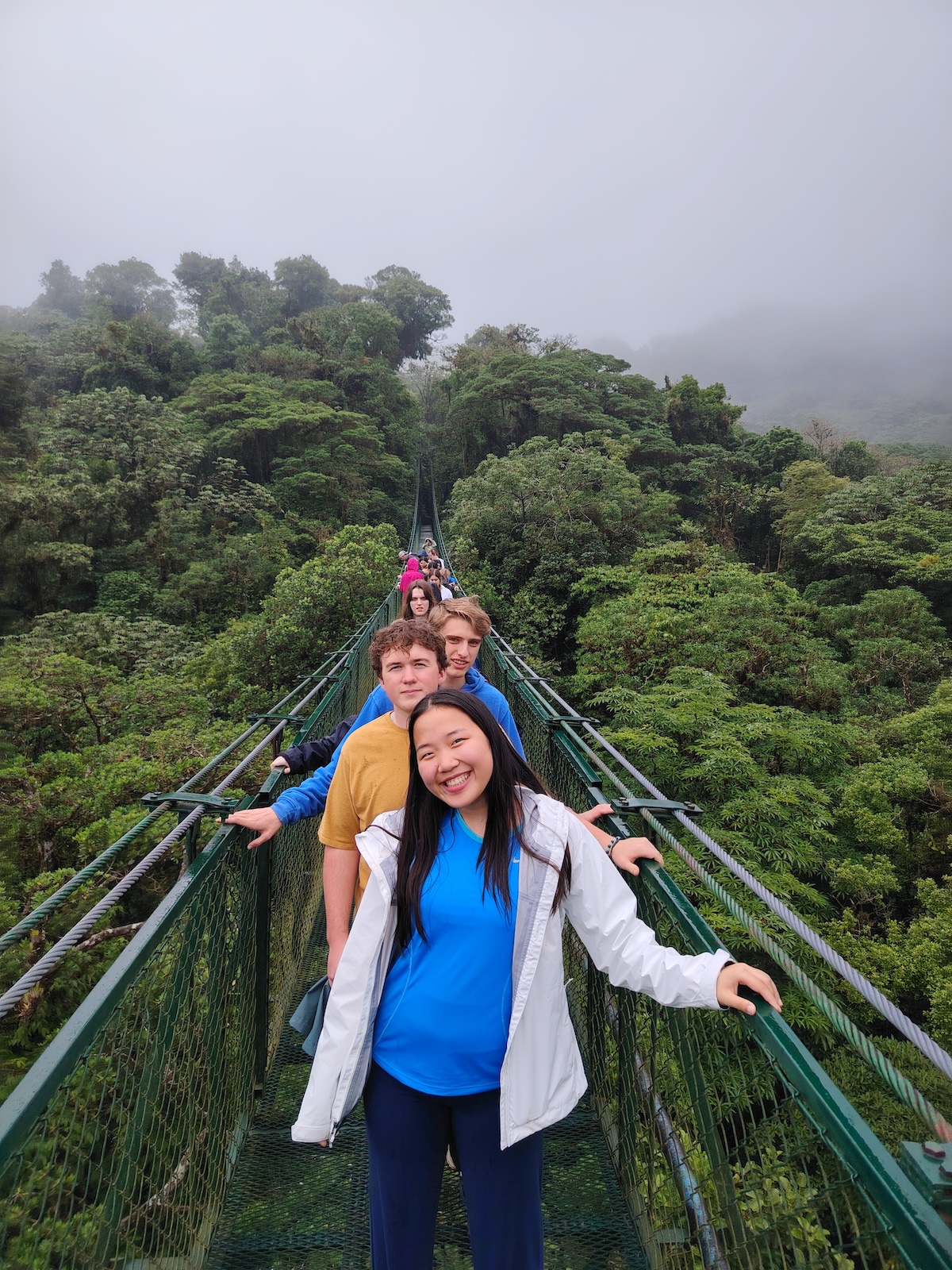
Author Juan Felipe Jimenez | Published on August 21, 2026
It’s no secret that Costa Rica is one of the most sought-after nature destinations in the world.
It should come as no surprise, then, that this Central American country is ideal for a study abroad program, and there are certain subjects and majors that suit it best!
In this guide, we’ll explore seven academic disciplines that benefit most from a study abroad program in Costa Rica. We have assessed a range of subjects using the same criteria:
- Access to relevant field research settings
- Opportunities to apply theory in practice
- Interaction with local experts or communities
- The potential to achieve measurable learning outcomes
1. Environmental Science
How Does Costa Rica Turn Environmental Science Into Field Learning?
Costa Rica is one of the best places in Latin America for environmental science study abroad because students can see sustainability challenges firsthand instead of only learning about them in the classroom.
Field visits to protected areas, watersheds, renewable energy projects, and community conservation initiatives give students the chance to explore how environmental policies are put into practice.
Along the way, they can investigate topics such as biodiversity protection, restoration, water management, and renewable electricity, while discovering that every sustainability decision involves balancing environmental, economic, and social priorities.
These hands-on experiences help students develop key learning outcomes for environmental science study abroad, from strengthening their field observation skills to analysing environmental policy and critically evaluating conservation strategies using real-world evidence.
Which Environmental Questions Could Students Investigate?
One of the biggest advantages of field-based learning is that it encourages students to ask questions, collect evidence, and think critically about what they observe. Faculty can build activities around research questions such as:
- How do forest conservation efforts support both biodiversity and local livelihoods?
- How can environmental conservation support communities and their economy?
- How can environmental initiatives be evaluated using measurable ecological and social outcomes?
Exploring these questions in the field helps students strengthen their analytical skills while developing a deeper understanding of what sustainability looks like in practice.
2. Biology and Conservation
Why Is Costa Rica Suited to Biology Fieldwork?
Costa Rica’s incredible biodiversity makes it an ideal destination for biology fieldwork built around scientific inquiry.
Instead of simply observing wildlife, students can compare ecosystems, identify species, practice field sampling techniques, and explore how habitat management influences ecological resilience.
Programs like Sustainability in Costa Rica also allow students to learn directly from conservation practitioners, researchers, and community organizations.
These interactions help bring scientific concepts to life, showing how research and evidence inform environmental decision-making and restoration efforts.
These experiences transform biology from a classroom subject into an active process of observation, data collection, and critical analysis.
What Could Students Compare Across Ecosystems?
One of Costa Rica’s greatest strengths is the diversity of its landscapes.
Within a single program, students can compare lowland rainforests, cloud forests, wetlands, and agricultural landscapes, gaining a broader understanding of how different ecosystems function and respond to environmental pressures.
Professors can use these settings to explore questions such as:
- How does habitat fragmentation affect biodiversity?
- What role do wildlife corridors play in ecosystem connectivity?
- How can reforestation projects be monitored to measure long-term success?
By comparing multiple ecosystems firsthand, students begin to understand that conservation is never a one-size-fits-all solution. Instead, effective strategies need to respond to the unique environmental conditions of each landscape.
3. Marine Biology
What Makes Costa Rica Valuable for Marine Biology Study Abroad?
A marine biology study abroad program in Costa Rica gives students the chance to explore coastal ecosystems through hands-on field experiences.
Local operators like Kagumu, are able to help faculty tailor an itinerary to the university needs so that programs can focus on either the Pacific or Caribbean coast, where students can investigate habitats such as mangroves, estuaries, coral reefs, and coastal wetlands.
These environments allow students to look beyond marine wildlife and explore how biodiversity, fisheries, tourism, and conservation are all interconnected.
Through activities like habitat surveys, water quality monitoring, and discussions with marine scientists, they gain a deeper understanding of how ecological research shapes coastal management and conservation decisions.
Which Coastal Questions Could Shape Student Research?
Costa Rica’s coastlines provide an ideal setting for research that connects environmental science with community and policy perspectives. Encourage your students to investigate questions such as:
- How do mangrove ecosystems support biodiversity, fisheries, and climate resilience?
- How do tourism, conservation, and local livelihoods influence coastal management?
- What makes educational fieldwork both scientifically valuable and environmentally responsible?
These investigations help students appreciate the complexity of protecting coastal ecosystems while balancing environmental, economic, and social priorities.
4. Geography
How Can Costa Rica Bring Physical Geography to Life?
Costa Rica’s volcanic landscapes, mountain ranges, river systems, and varied climate make it an incredible outdoor classroom for geography and earth science.
Students can see how physical processes shape ecosystems and influence everything from agriculture and infrastructure to tourism and settlement patterns.
Faculty-led field experiences bring these concepts to life by connecting classroom learning with real landscapes.
Whether exploring watershed management, volcanic activity, or the relationship between topography and land use, students gain a deeper understanding of how natural systems and human activities constantly influence one another.
What Could Students Observe or Map in the Field?
Field activities can include:
- Mapping volcanic landforms and drainage systems.
- Observing hazard management strategies around volcanic regions.
- Examining how terrain influences transportation, agriculture, and urban development.
Collecting observations in the field helps students strengthen their analytical and critical thinking skills while developing a deeper understanding of physical geography.
More importantly, it allows them to connect the landscapes they’re exploring with the concepts they’ve been studying back on campus.
5. Agricultural Science
Why Are Costa Rica’s Farms Useful Learning Environments?
Agriculture in Costa Rica gives students a unique opportunity to explore food production as part of a much bigger environmental and economic system.
Coffee, cacao, and other crops are influenced by factors such as climate, soil conditions, biodiversity, labour, and global markets, making them excellent case studies for field-based learning.
Visits to farms and research centres allow students to compare conventional farming with agroforestry and other climate-smart production methods.
Along the way, they can explore how different agricultural practices affect biodiversity, water resources, and long-term sustainability, gaining a broader understanding of the challenges and opportunities facing modern agriculture.
Which Questions Connect Agriculture With Wider Field Learning?
Agricultural field visits can be structured around practical research questions such as:
- How can producers maintain yields while protecting soil, water, and biodiversity?
- How is climate change influencing farming decisions and production systems?
- What evidence can students collect to evaluate sustainability claims made by agricultural businesses?
Investigating these questions helps students see that modern agriculture is about much more than food production. It requires balancing environmental stewardship, economic viability, and the needs of local communities.
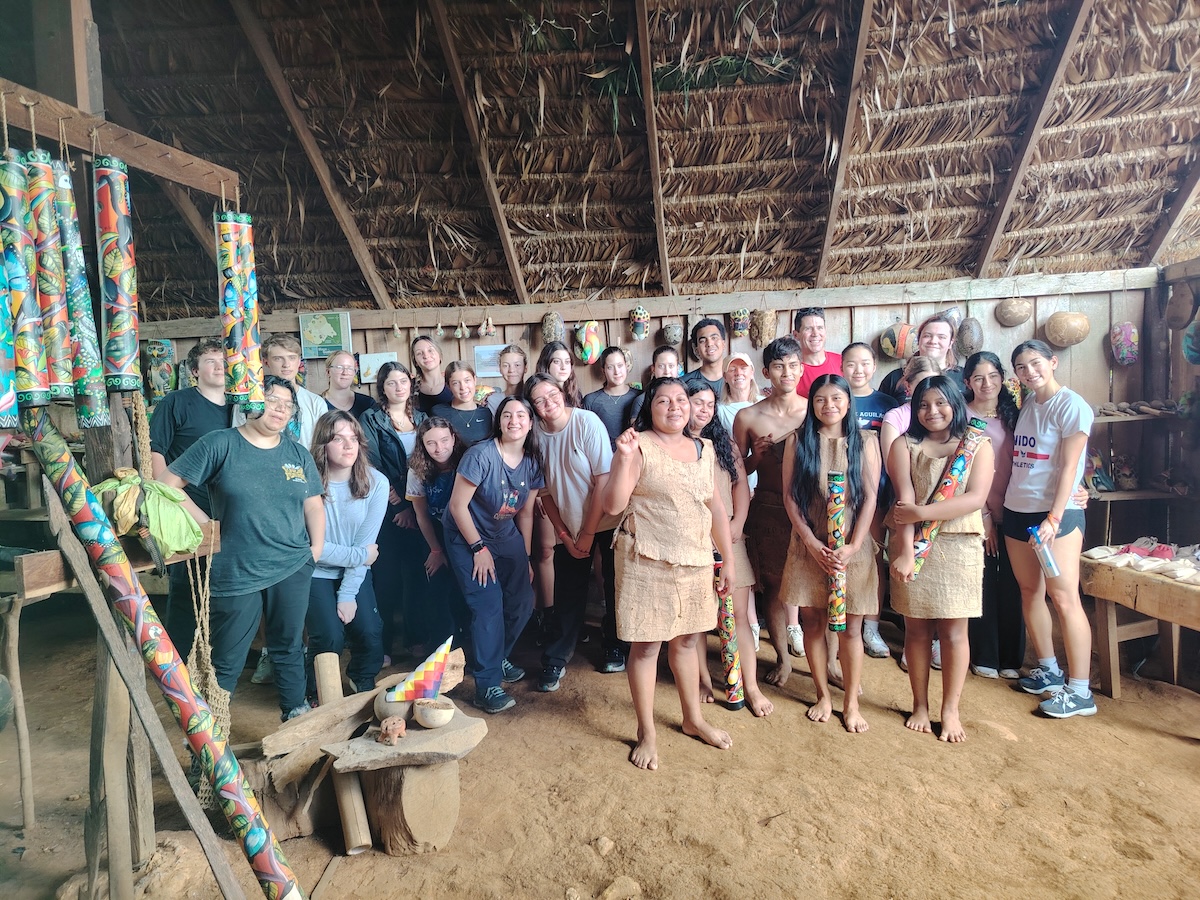
Students on a Spanish study abroad program in Costa Rica
6. Spanish Language
How Does Studying in Costa Rica Extend Spanish Beyond the Classroom?
There’s no better way to build confidence in a new language than by using it in everyday situations.
In Costa Rica, students have plenty of opportunities to practise their Spanish through conversations with local guides, host families, community organisations, and professionals, while also gaining a deeper appreciation of Costa Rican culture.
At Kagumu, we make these experiences even more meaningful by incorporating site visits or reflective activities into the program.
These activities strengthen listening comprehension, cultural awareness, and communication skills while helping students understand how language is shaped by local history and social context.
How Can Faculty Build Academic Rigor Into Language Immersion?
Like any successful study abroad program, language immersion works best when it’s built around clear learning objectives.
Faculty can prepare students with pre-trip vocabulary, assign conversational tasks during field visits, and use presentations or reflection journals to help demonstrate progress.
Combining structured activities with regular interaction with native speakers gives students the confidence to communicate in real-world settings while developing practical language skills that support both their academic and professional goals.
7. Business Studies
Why Is Costa Rica a Useful Business Case Study?
Costa Rica offers an excellent opportunity for students to explore how businesses balance commercial success with environmental and social responsibility.
Along the way, they can deepen their understanding of social enterprises in Latin America, gaining first-hand insight into organisations that are building successful businesses while putting sustainability at the heart of what they do.
Faculty-led visits introduce students to topics such as entrepreneurship, supply chains, certification systems, and responsible tourism.
They also have the opportunity to compare an organisation’s sustainability commitments with its day-to-day operations, helping them understand how responsible business practices are put into action.
What Could Students Evaluate During Business Visits?
Business site visits can be built around questions that encourage students to think critically about sustainable business practices, including:
- How is sustainability measured and communicated to customers?
- How do local employment and sourcing decisions benefit surrounding communities?
- How do certification programs influence business practices and long-term competitiveness?
These discussions help students see that building a successful business isn’t just about profitability. It also means balancing commercial success with environmental stewardship and creating a positive impact for local communities.
Why Does Costa Rica Work So Well for Multidisciplinary Study Abroad?
Costa Rica offers the kind of experiential learning that’s difficult to replicate in a traditional classroom.
Through Kagumu’s sustainability-focused programs, students visit wildlife rescue centers, spend time with Indigenous communities, take part in reforestation projects, explore family-run coffee and cacao farms, and experience cloud forest ecosystems firsthand.
By connecting these experiences throughout a single itinerary, you can deliver interdisciplinary learning to your students.
The country also serves as an excellent case study for environmental conservation, renewable energy, and sustainable tourism.}
But what makes Costa Rica especially valuable is that it doesn’t present sustainability as a perfect success story. Instead, it gives students the opportunity to explore the real challenges and trade-offs involved in balancing conservation, economic development, and community wellbeing.
For faculty leading short-term programs, this creates an ideal learning environment.
Students can collect field observations, meet researchers and practitioners, engage with local communities, and reflect on how academic theories translate into real-world decision-making.
The result is a study abroad experience that extends well beyond sightseeing and supports deeper critical thinking.
How Does Kagumu Support Costa Rica Study Abroad Programs?
No two universities have the same learning objectives, which is why we build every Costa Rica study abroad program around your curriculum and needs.
At Kagumu, we work closely with faculty and teachers to design customized, faculty-led experiences that align with course outcomes while creating meaningful opportunities for field-based learning.
Through our partnerships with local experts, community organisations, researchers, and businesses, students connect directly with the people and places that bring each academic discipline to life.
Whether you’re planning a program focused on environmental science, business, Spanish language, or another subject area, we’ll help you create an itinerary that combines experiential learning with thoughtful planning to deliver meaningful educational outcomes.
Contact us if you’re considering a faculty-led program in Costa Rica. We’d love to work with you to design an itinerary that reflects your course objectives, your students’ learning goals, and the kinds of field experiences that will have the greatest impact.
Frequently Asked Questions
Is Costa Rica a good place to study abroad?
Yes. Costa Rica supports a wide range of academic disciplines, including environmental science, biology, geography, agriculture, business, and Spanish language studies. Its diverse ecosystems, strong sustainability initiatives, and accessible field sites make it an excellent destination for faculty-led programs.
What is it like to study abroad in Costa Rica?
Students combine classroom concepts with hands-on learning through field visits, meetings with local experts, and cultural experiences. Programs are designed to encourage observation, critical thinking, and real-world application rather than traditional sightseeing.
Do students need to speak Spanish to study abroad in Costa Rica?
No. Most Costa Rica study abroad programs are designed for students with a range of Spanish abilities, including beginners.
While Spanish proficiency is helpful, many faculty-led programs are taught in English alongside opportunities to practice with local communities, guides, and professionals.
How long should a faculty-led study abroad program in Costa Rica be?
The ideal length depends on your course objectives, but most faculty-led Costa Rica study abroad programs last between seven to ten days.
What is the best time of year for a Costa Rica study abroad program?
Costa Rica can support study abroad programs throughout the year, with the best timing depending on your academic goals and planned field activities.
Seasonal weather can influence wildlife observation, agricultural visits, and outdoor fieldwork, so faculty should consider course objectives when selecting travel dates.


