
Brasil Trips & Educational Tours
Brazil trips: Explore a world of diversity
Brazil is an extraordinary living classroom for experiential learning. From the iconic coastal landscapes, culture, and urban dynamics of Rio de Janeiro to hands-on agricultural innovation in nearby sustainable biomes, Brazil provides deep academic value across STEM, social sciences, sport management, and language immersion.
Whether you are leading a high school culture and environmental trip or coordinating a university faculty-led study abroad course, Brazil offers safe, high-impact learning experiences aligned with global sustainability goals.
University & Higher Education Study Abroad
Customized Educational Tours
Partner with Kagumu Adventures to design educational tours in Brazil, tailored to undergraduate and graduate curricula and aligned to the highest international safety standards.
Academic Disciplines & Syllabus Alignment
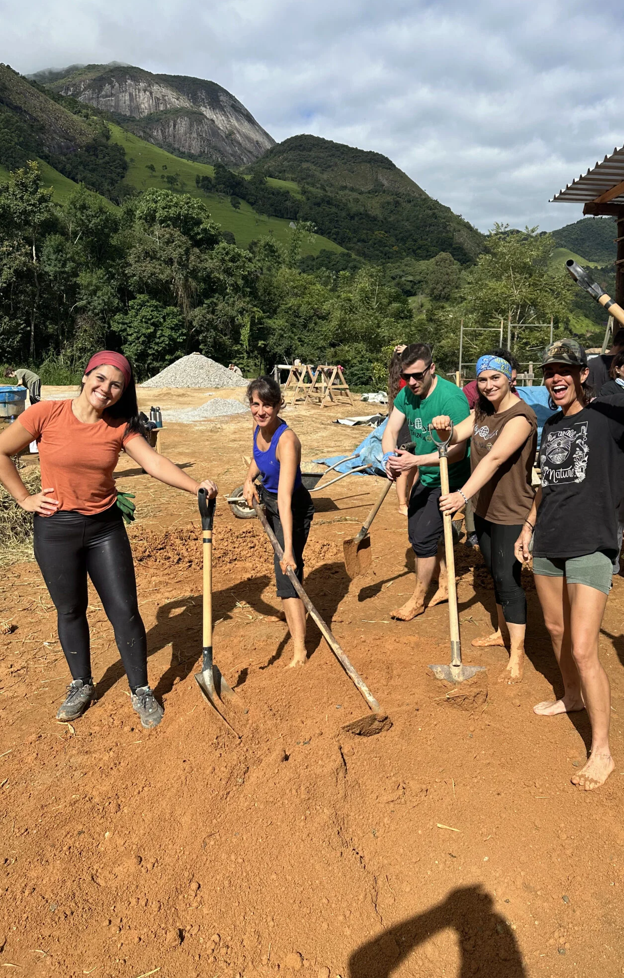
Agroforestry, Bio-Consortia & Ecosystem Restoration: Partner directly with our flagship sustainable farm project near Rio. Students engage with agroforestry practitioners to study complex bio-consortia models, soil health restoration, carbon sequestration, and sustainable food system economics.
Sport Leadership, Urban Geography & Public Policy in Rio: Analyze how sports drive social change in Rio’s communities. Meet with sports leaders, visit community-led athletics initiatives, and examine how mega-events (Olympics, World Cup) have impacted urban infrastructure and local governance.
Want to learn more?
Brasil trip information
Quick details about Brasil
-
Electric voltage: 127V / 220V (60Hz), using Type N and C plugs.
-
Currency: Brazilian Real (BRL).
-
Language: Portuguese.
-
Telephone: +55 (number minus 0).
-
Hygiene: We recommend using hand sanitizer during the trip. Tap water is generally not recommended for drinking directly; we advise using filtered water and filling up your reusable bottles.
-
Toilets: Avoid flushing toilet paper. The plumbing systems in many areas can clog easily, so wastebaskets are provided.
-
ATMs: Standard international ATMs are widely available, though foreign transaction fees apply. Using travel-friendly debit cards is recommended.
-
Visas: Entry requirements vary by nationality; many travelers receive a 90-day tourist visa upon arrival, though some nationalities may require an e-Visa prior to entry. Check US visa entry to Brasil here.
-
Vaccinations: Yellow fever vaccination is highly recommended for travel to regions like the Amazon and Pantanal. Check the CDC advice for Brasil here.
National Holidays in Brasil
Brasil celebrates numerous public holidays throughout the year, blending religious observances, national pride, and local culture. One not to miss is the famous Carnaval, which takes place 40 days before Easter and transforms cities like Rio, Salvador, and Recife into giant street festivals. Another major national date is September 7 (Independence Day), marking the country’s declaration of independence from Portuguese rule in 1822.
Best places to visit
The best Brasil tours for adventure travelers are likely to include the dramatic plateaus and underground caves of Chapada Diamantina National Park in Bahia. Here you will find rugged hiking routes and breathtaking natural pools. Other must-see destinations include the Amazon Basin, where you can navigate the world’s largest river system, and the Pantanal – the ultimate wildlife-viewing wetland in South America. Travelers who want to experience the Portuguese colonial era should head to Paraty, Salvador da Bahia, or Ouro Preto, home to UNESCO-listed historical centers.
But don’t just stick to the tourist trail. Some of the best places to visit fly under the radar, such as the surreal sand dunes and freshwater lagoons of Lençóis Maranhenses or the quiet coastal villages along the Emerald Coast. Brasil’s interior also boasts fantastic travel opportunities, with São Paulo, Rio de Janeiro, and Salvador the best cities to visit.
Rio de Janeiro is a particular favorite, where you will find communities experiencing dramatic social changes thanks to innovative urban social projects and eco-initiatives. Couple this with world-class coffee, fresh açai, and tropical fruit juices, and it becomes a trip to remember.
7 must do activities
-
Explore the vast wilderness and flooded forests of the Amazon Basin.
-
Dance at the iconic carnival in Rio.
-
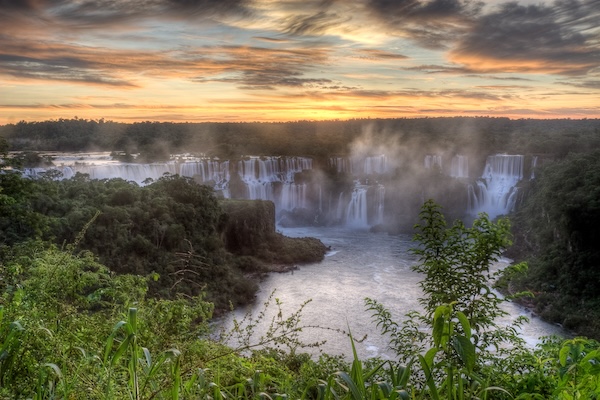
Marvel at the immense scale of Iguazu Falls on the border with Argentina.
-
Immerse yourself in Afro-Brazilian rhythm, history, and martial arts in Salvador da Bahia.
-
Trek across the majestic table-top mountains of Chapada Diamantina.
-
Marvel at the surreal freshwater lagoons amidst the white sand dunes of Lençóis Maranhenses.
-
Discover urban art, architecture, and social enterprise in Rio de Janeiro and São Paulo.
Brasil travel - good books
-
John Hemming – Tree of Rivers: The Story of the Amazon
-
Lilia M. Schwarcz & Heloisa M. Starling – Brazil: A Biography
-
Jorge Amado – Captains of the Sands (or any of his classic Bahian novels)
-
Euclides da Cunha – Rebellion in the Backlands
Getting around Brasil on an educational tour
By air
Brasil’s major domestic airlines are LATAM, GOL, and Azul, which provide frequent connections across this vast country. Booking domestic flights well in advance is highly recommended to secure the best rates, especially when traveling between different geographical regions. When booking a local flight, ensure you use a local VPN or get a local to book.
By land
Feel like getting to grips with the Brazilian terrain? Good idea! A long-distance bus ride (ônibus) is a comfortable and popular option. Long-haul buses in Brasil are known for high standards of comfort, offering options ranging from standard seats to fully reclining beds (leito). Major bus operators include Cometa, 1001, and Gontijo. Tickets can usually be booked online or at the main city terminals (rodoviárias).
Sustainable hotels in Brasil
- Pousada da Amendoeira, Alagoas
- Cambará Eco Hotel, Rio Grande do Sul
- Fazenda Moreias, Ceará
- Eco Caminhos, Rio – a Kagumu Adventures partner
Best travel guide books for Brasil
Weather in Brasil
Because Brasil is the fifth-largest country in the world, its weather varies significantly depending on the region and the time of year. Positioned mostly in the Southern Hemisphere, its seasons are reversed compared to North America and Europe.
-
The Amazon Basin: Warm and humid year-round, with average temperatures hovering between 25°C and 30°C (77°F–86°F). Rather than traditional summer and winter, the Amazon experiences a high-water season (December to May), perfect for exploring flooded forest tributaries by boat, and a dry season (June to November), ideal for jungle trekking.
-
The Pantanal & Central-West: Characterized by a distinct wet and dry cycle. The dry season (May to October)is widely considered the best time for travel and wildlife spotting, as low water levels draw jaguars, caimans, and birdlife toward remaining water sources. The wet season (November to April) transforms the region into a vast flooded plain.
-
Rio de Janeiro & the Southeast: Features a tropical climate with hot, humid summers (December to March) with highs around 30°C to 35°C (86°F–95°F) and occasional afternoon rain. Winters (June to August) are milder and drier, with pleasant daily averages around 22°C to 25°C (71°F–77°F).
-
The Northeast (Salvador, Recífe, & Lençóis Maranhenses): Enjoys warm, tropical temperatures all year, generally between 25°C and 31°C (77°F–88°F). Rain falls primarily between April and July, while the rest of the year brings sunny skies and ocean breezes.
-
Southern Brasil & Iguazu Falls: Experiences four distinct seasons. Summers (December to March) are hot, while winters (June to August) can get quite cool, occasionally dropping below 10°C (50°F) in highland areas. Iguazu Falls flows heavily year-round, though summer rains produce the most dramatic water volumes.
Subscribe to our newsletter
Frequently asked questions
Is it safe to travel to Brasil right now on an educational tour?
Brasil is a welcoming destination that hosts millions of international tourists every year. While big cities require common-sense safety precautions (we always recommend staying in well-traveled areas and remaining aware of your surroundings), the destinations included on organized educational and group itineraries are selected with safety as the highest priority. Local guides ensure every group stays safe while enjoying an enriching travel experience. The best place to review current safety levels would be the US Travel Advisory.
Do I need a visa for Brasil from the US?
Visa requirements depend on your country of citizenship. Many visitors receive a 90-day tourist entry upon arrival, while citizens of certain countries (including the US, Canada, and Australia, depending on current regulations) may need to apply for an e-Visa prior to departure. Always verify current visa policies with the nearest Brazilian embassy or official consulate before traveling. Coming from the US? Use this website to apply for a visa.
What language do they speak in Brasil?
No, it’s not Brazilian. Portuguese is the official and primary language of Brasil. While English is spoken in major tourist hubs, hotels, and among younger demographics in big cities, learning a few basic Portuguese phrases goes a long way with friendly locals.
Is Brasil an expensive country?
Travel in Brasil offers great value for money for international visitors holding US dollars, euros or British pounds. While major metropolitan hubs like Rio de Janeiro and São Paulo can be more expensive, everyday costs for meals, local transport, and activities remain affordable.
Are there good beaches in Brasil?
Beaches and Brasil go together perfectly! The country boasts over 7,400 kilometers of Atlantic coastline featuring world-famous beaches. Don’t miss the iconic city beaches of Copacabana and Ipanema in Rio, the tropical islands of Ilha Grande and Fernando de Noronha, and the pristine shores along the northeastern coast near Salvador and Praia do Forte.
Can I drink the tap water in Brasil?
Tap water in Brasil is generally treated in urban areas, but it is not recommended for drinking directly without filtration. It is best to drink filtered or bottled water and use reusable water bottles filled from purified sources. Remember, come on a Kagumu trip, and you will have portable water throughout. This is part of our sustainability policy.
How many days do you need to see Brasil?
Given the country’s immense size, a trip of 10 to 14 days allows you to comfortably explore two or three distinct regions such as combining Rio de Janeiro with the Amazon, or Salvador with the Pantanal. Longer stays allow for deeper exploration across multiple states. We recommend choosing one region and spending as much time as possible there.
What is the most beautiful part of Brasil?
Brasil is home to an extraordinary variety of landscapes. The dramatic coastal peaks framing Rio de Janeiro, the vast cascading waterfalls of Iguazu, the surreal white sand dunes of Lençóis Maranhenses, and the dense primary forest of the Amazon rainforest all rank among the most spectacular natural sights in South America. Still wondering where to go? Speak to one of Kagumu’s travel consultants.
What vaccinations do I need?
Routine vaccinations are recommended. A Yellow Fever vaccination is strongly advised (and sometimes required, depending on entry/exit points) for travel into rainforest, wetland, and rural regions such as the Amazon, Pantanal, and Chapada Diamantina. Always consult a travel health clinic prior to departure. We always recommend checking the CDC website before travelling.
When is the best time to visit Brasil?
Because Brasil is a vast country with diverse climate zones, it can be visited year-round. The tropical north (Amazon) experiences rainy and dry seasons, while the south and southeast enjoy temperate seasonal variations. Generally, May through October offers pleasant temperatures and drier weather across many popular regions, including the Pantanal and the Northeast.