
Chile Educational Trips & Tours
Chile Trips: Otherworldly Natural Wonders
From the jagged granite spires of Patagonia to the arid, high-altitude lunar landscapes of the Atacama Desert, Chile is a country offering a wealth of natural wonders.
Stretching over 4,000km along the spine of the Andes, it offers a sophisticated blend of ancient indigenous traditions and some of the most remote wilderness on the planet.
Whether you are navigating the fjords of the south or wandering the bohemian hills of Valparaíso, Chile promises an adventure that is as refined as it is rugged.
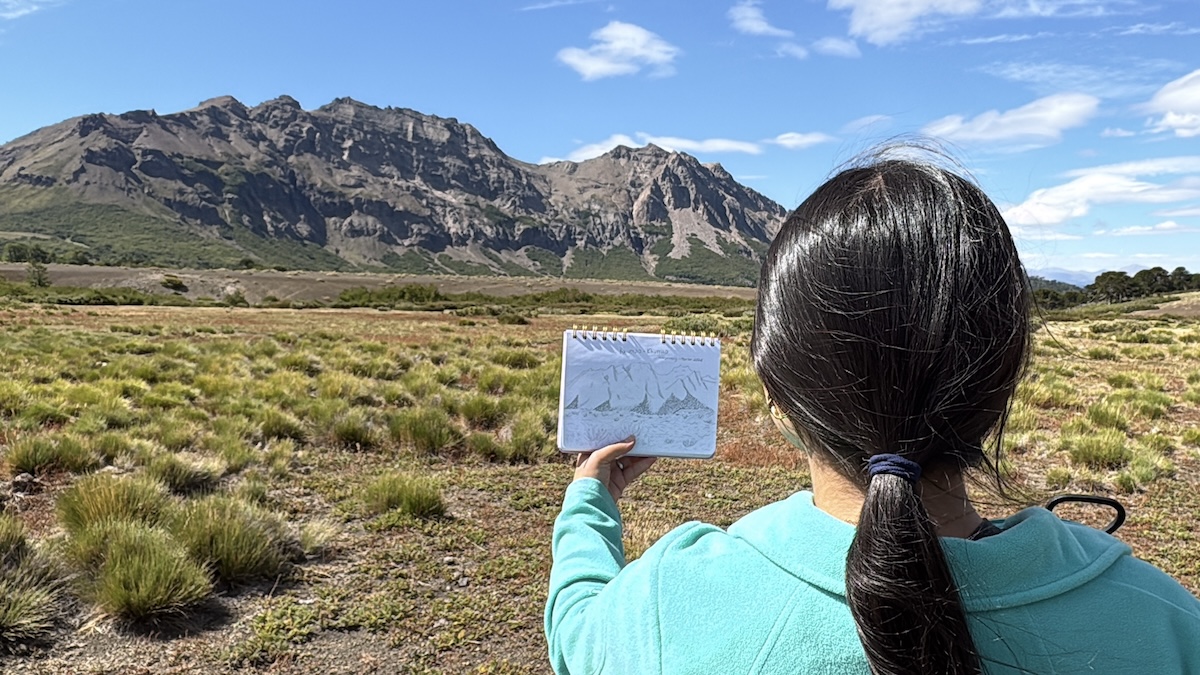
Popular student trips in Chile
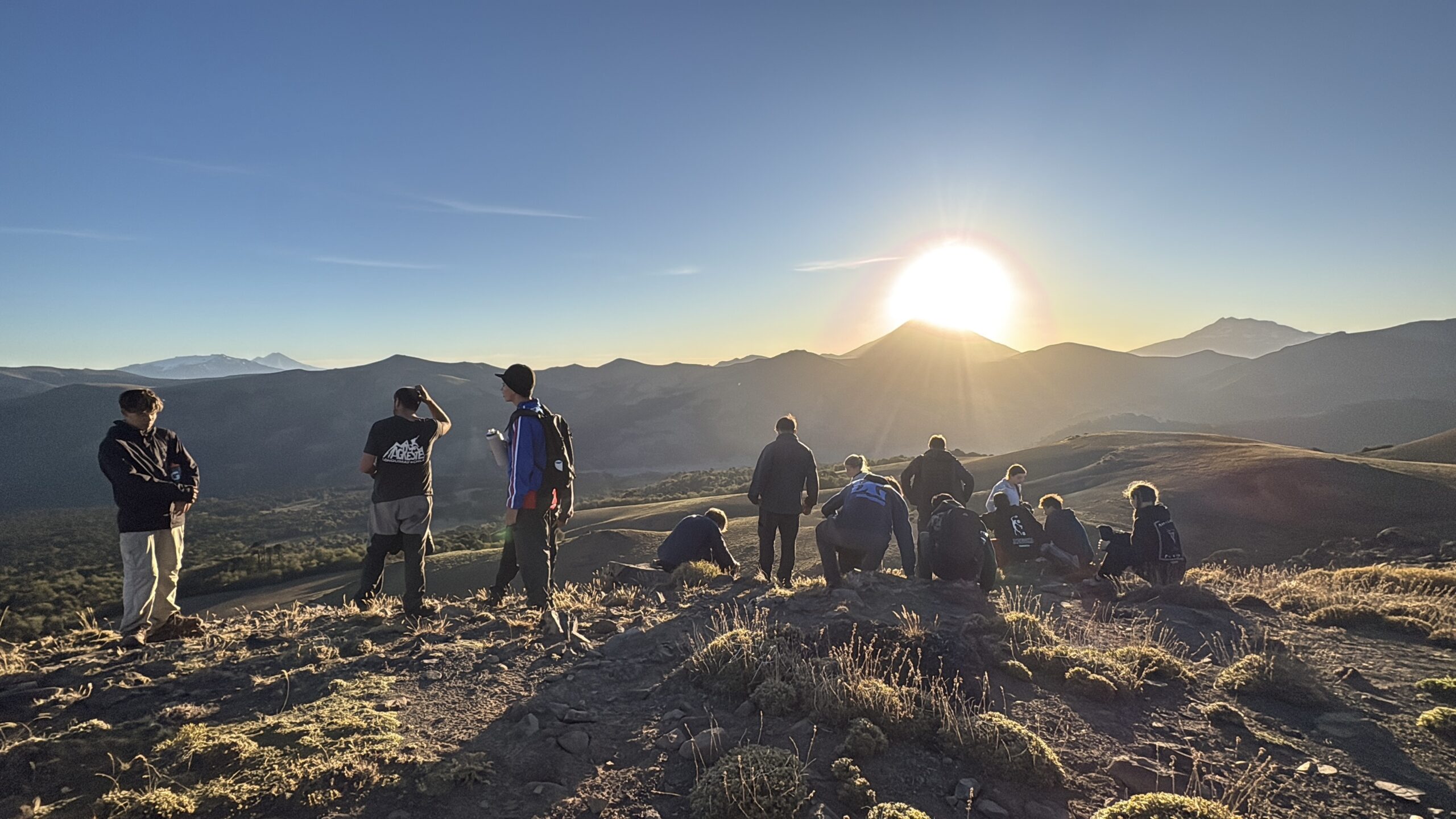
School expedition in Chile
Want to learn more?
Chile trip information
Quick details about Chile
- Electric voltage: 220V supply voltage and 50Hz. Plugs are typically Type C and Type L.
- Hygiene: Hygiene standards are high in Chile. While tap water is generally chemically safe to drink in major cities like Santiago, the high mineral content can upset some stomachs.
- Toilets: In modern hotels and restaurants in Santiago, you can flush paper. However, in older buildings, rural areas, and national parks, always use the bin provided to avoid blocking the plumbing.
- ATMs: Widely available (known as Redbanc). Note that Chilean banks often charge a withdrawal fee for foreign cards. Carry cash for remote areas in Patagonia or the Altiplano.
- Vaccinations: Please visit the CDC Chile page for the latest health recommendations.
National Holidays in Chile
Chileans celebrate their heritage with passion. Fiestas Patrias (September 18–19) is the biggest event of the year, featuring fondas (party pavilions), traditional cueca dancing, and plenty of empanadas. Navy Day on May 21 is also a major celebration, particularly in the port city of Valparaíso.
Best places to visit
Santiago is a soaring Andean capital where glass skyscrapers reflect snow-capped peaks. For a change of pace, the Atacama Desert offers the Valley of the Moon and high-altitude lagoons that look like they belong on another planet. To the south, Torres del Paine National Park is the crown jewel of Patagonia, offering world-renowned trekking routes through dramatic mountains and glaciers.
7 must do activities
- Stargaze in the Atacama Desert, the clearest skies in the Southern Hemisphere.
- Hike the “W” Trek in Torres del Paine for iconic granite tower views.
- Go wine tasting in the Maipo or Colchagua Valleys.
- Explore the colorful murals and funiculars of Valparaíso.
- Walk among the Moai statues on Rapa Nui (Easter Island).
- Raft the turquoise waters of the Futaleufú River in the Lake District.
- Search for pumas on a wildlife safari in the Magallanes region.
Chile travel - good books
- My Invented Country by Isabel Allende
- In Patagonia by Bruce Chatwin
- Travels in a Thin Country by Sara Wheeler
Getting around Chile
Chile is well-connected. LATAM and SKY offer frequent domestic flights covering the vast distances. For those on the ground, the “Pullman” and “Turbus” networks offer luxury long-distance bus travel with semi-cama or salón-cama (reclining) seats. In Santiago, the Metro is clean, efficient, and the best way to bypass traffic.
Sustainable hotels in Chile
-
- EcoCamp Patagonia, Torres del Paine (The world’s first geodesic dome hotel)
- Tierra Atacama, San Pedro de Atacama
- Hotel Antumalal, Pucón
- Vik Chile, Millahue
Chile travel guide books
- Lonely Planet Chile & Easter Island
- Footprint Focus – Chile
Weather in Chile
Because Chile stretches over 4,000km from north to south, you can experience several different seasons in a single trip. It is a true land of contrasts:
-
The North (Atacama Desert): Arid and sunny year-round. Expect warm days around 24°C and crisp, cold nights that can drop to 0°C or below, especially at high altitudes. In late January and February, the “Altiplanic Winter” can bring rare, brief rain showers to the high plateau.
-
Central Chile (Santiago & Valparaíso): A Mediterranean climate with four distinct seasons. Summers (December–March) are hot and dry, often reaching 30°C. Winters (June–August) are cool and can be rainy, with temperatures averaging around 15°C—this is also when the Andean ski resorts are in full swing.
-
The South & Patagonia: Famous for having “four seasons in one day.” Even in the peak of summer (December–February), the weather is unpredictable, with strong winds and average highs of 14°C. In winter (June–August), much of the far south becomes inaccessible due to snow and extreme cold, with many hotels closing for the season.
-
Easter Island (Rapa Nui): Subtropical and humid. It stays warm year-round, with temperatures hovering between 18°C and 27°C, though tropical rain showers can pop up at any time, most frequently in April and May.
Subscribe to our newsletter
Frequently asked questions
Is it safe to travel to Chile right now?
Chile is one of the safest countries in Latin America. However, travelers should remain vigilant against petty theft in Santiago and Valparaíso. As of 2024, Chile generally maintains a Level 1 or 2 status from the US State Department. Always check for local updates regarding social demonstrations.
Do I need a visa for Chile from the US?
US citizens do not need a visa for stays under 90 days. You will receive a Tourist Card (PDI paper) upon arrival; keep this safe as you must surrender it when leaving the country. Note: The reciprocity fee for US citizens was abolished years ago, but always check the latest entry requirements.
When is the best time to visit Chile?
Because Chile is so long, the best time varies. For Patagonia, visit during the Southern Summer (October to March). For the Atacama, it is a year-round destination, though nights get very cold in winter. Central Chile and the vineyards are beautiful in the Spring (September to November) and Fall (March to May).
Is Chile an expensive country?
Chile is one of the more expensive countries in South America, with prices comparable to parts of Southern Europe. Patagonia and Easter Island are the most expensive regions due to their remoteness. However, local “menú del día” lunches and efficient public transport can help keep costs down.
What vaccinations are needed for Chile?
Ensure you are up-to-date on routine vaccines (MMR, Polio). Hepatitis A and Typhoid are recommended for most travelers. Unlike its neighbors, Chile has no risk of Yellow Fever (except for Easter Island, where it is not endemic but entry requirements may vary if coming from a risk zone).
How many days do you need to see Chile?
To see both the North (Atacama) and the South (Patagonia), you need at least 14 to 21 days. If you only have a week, it is best to stick to one specific region to avoid spending all your time in airports.
Where is Chile?
Chile is located on the southwest coast of South America, squeezed between the Andes Mountains and the Pacific Ocean. It borders Peru to the north, Bolivia to the northeast, and Argentina to the east.
What is the best month to travel to Chile?
For a student group, the “best” month is usually about balancing the academic calendar with Chile’s wild climate. If you want to see the whole country, November or March are the top choices.
These months are the “sweet spots” where the weather is mild enough for trekking in the south, yet perfect for exploring the desert or the capital without the extreme summer heat or winter snow.