
Travel insights from Latin America
5 Magical Colombian Hotels That are Doing Their Bit for Sustainability
Author Bernie Coote | Posted on November 11
Our providers are a core part of what makes our itineraries so special, from knowledgeable local guides and inspiring project leaders to magical hotels who are doing their bit to reduce their impact, support local industry, protect nature and preserve culture.
We’ve asked all the hotels we work with in Colombia to complete a survey to better understand their work on sustainable and responsible tourism. Here are 5 of the high scoring accommodations that shared some of their exceptional work with us.
1. Cannua, Marinilla
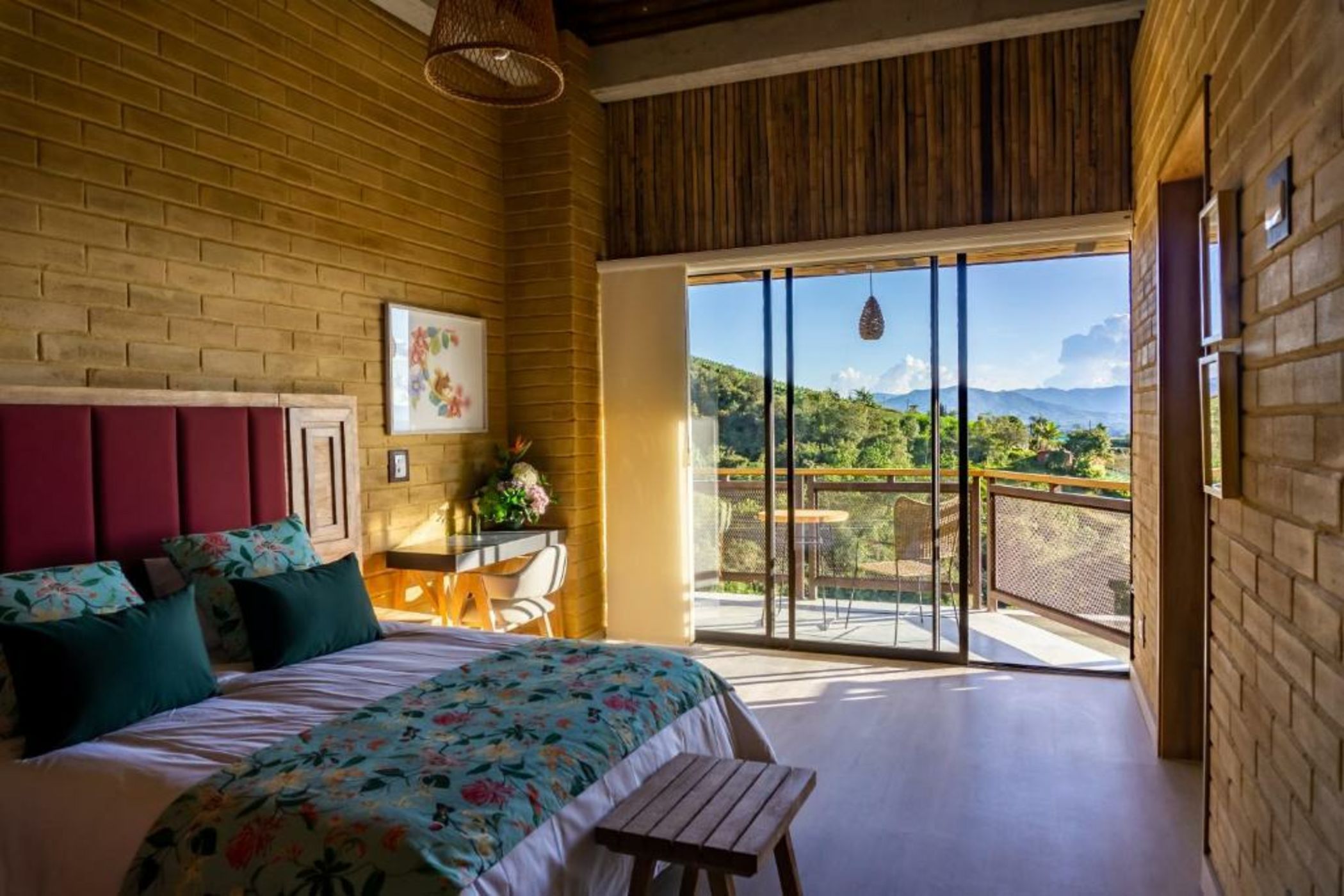
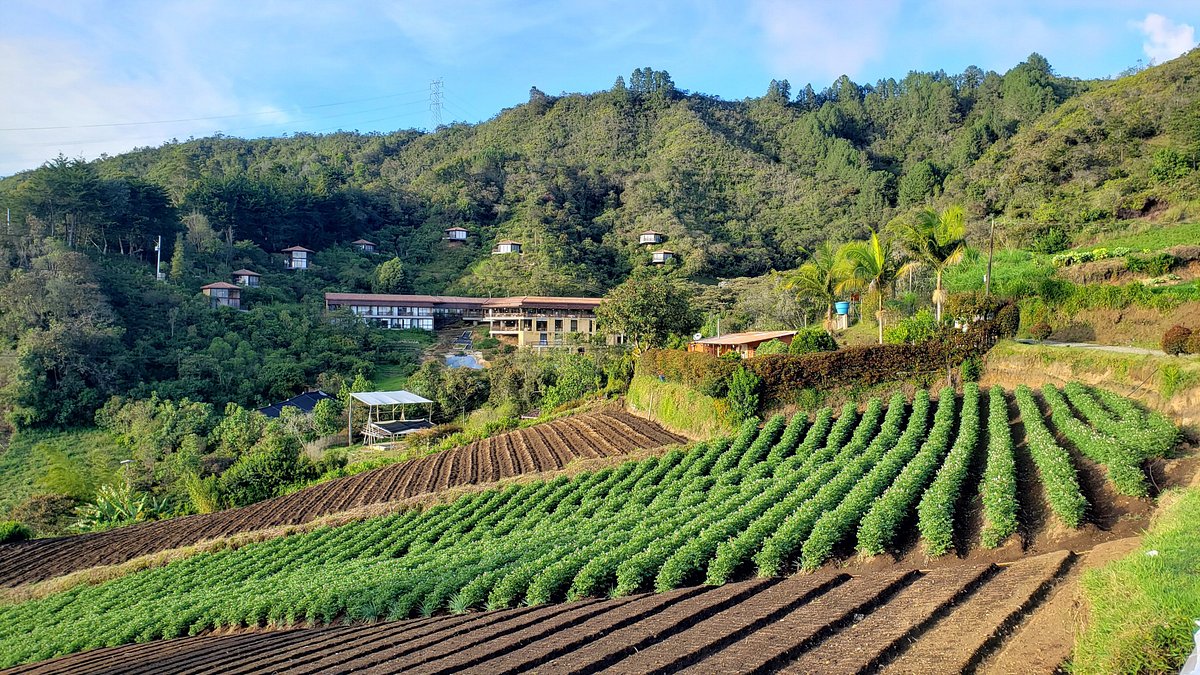
Built on permaculture principles, the lodge cultivates nearly 8,000 square meters of organic gardens and food forests that supply their kitchen with ingredients grown just steps from the table. They have been awarded with two Michelin keys, an extremely high feat in Colombia, which highlights their social focus, unique architecture and commitment to permaculture.
“Cannua’s DNA is rooted in permaculture…we offer an opportunity to explore a revitalised Colombia through the magic of amazing experiences, incredible biodiversity, gourmet food and exciting cultural adventures…Cannua is an excuse to preserve the environment through a conscious tourism, in harmony with nature.
-Yeferson Agudelo, Cannua Reception Manager.
What makes Cannua truly special is their invitation to guests: don’t just observe, participate. Visitors can join guided tours exploring permaculture design philosophy, roll up their sleeves alongside gardeners to plant vegetables and herbs, or even contribute to conservation efforts by planting native trees. It’s a special farm-to-fork experience in the Antioquian mountains.
2. La Solera del Pozo, Santa Marta
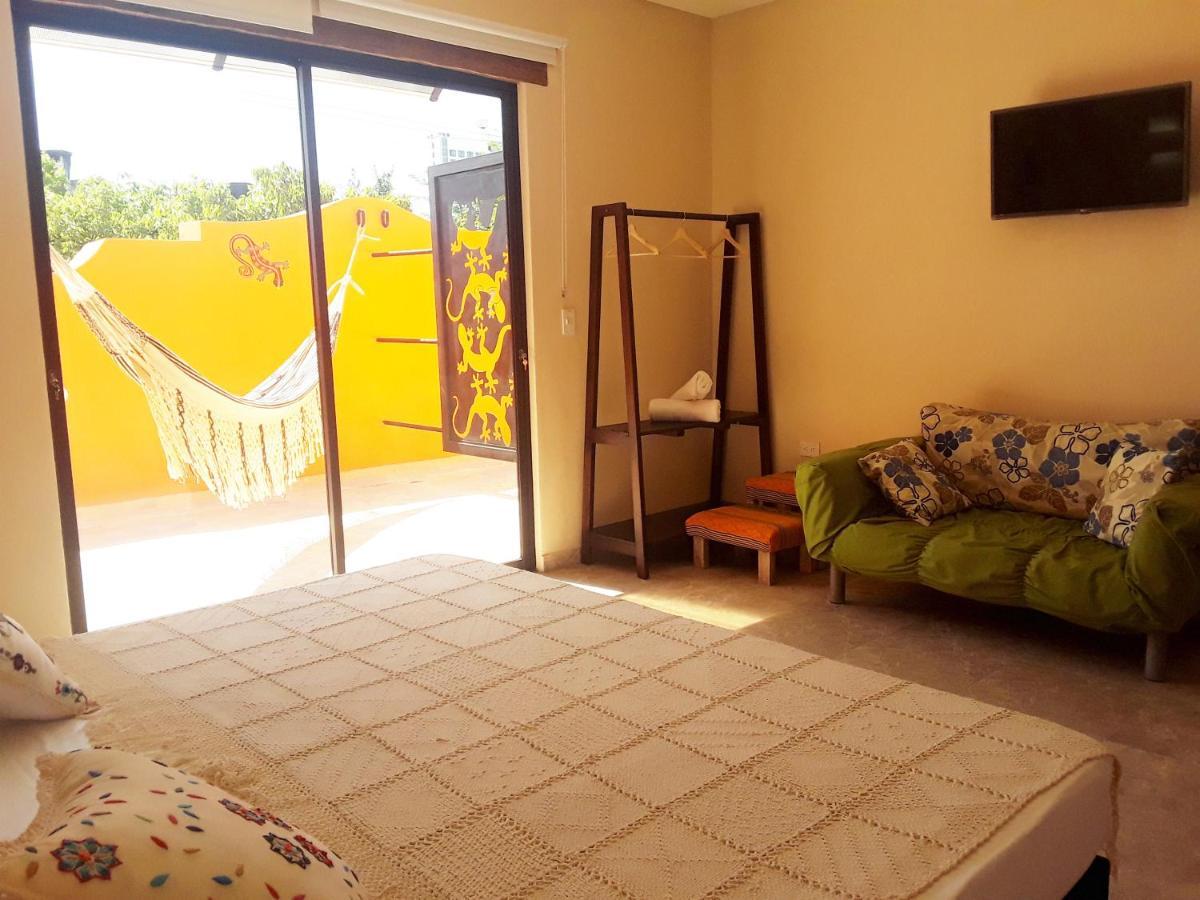
In the vibrant heart of Santa Marta, La Solera del Pozo bursts with color, character, and purpose. Solar-powered lighting illuminates gardens filled with native Colombian plant species, creating pockets of biodiversity in the urban landscape.
But their commitment to promoting more sustainable consumption practices and cultural preservation is best seen in the workshops they offer, led by local artisans who transform recycled textiles into beautiful creations.
“This initiative stems from the desire to transform industrial textile waste—specifically fabric scraps used in the manufacture of hammocks in the Colombian Caribbean—into handcrafted products with cultural and ecological value…Led by industrial designer Ángeles Lacambra (@linesorigen) in collaboration with local artisans, they combine ancestral knowledge with contemporary techniques to create unique textiles, many of them with designs allegorical to the sea.
These recycled materials are turned into pieces that reflect the identity of the territory and promote a circular economy.”
– Rosi Lacambra, Team Member, La Solera del Pozo.
We bring guests here as part of our Trek Colombia’s Mountains and Lost City.
3. Villa María, Santa Marta
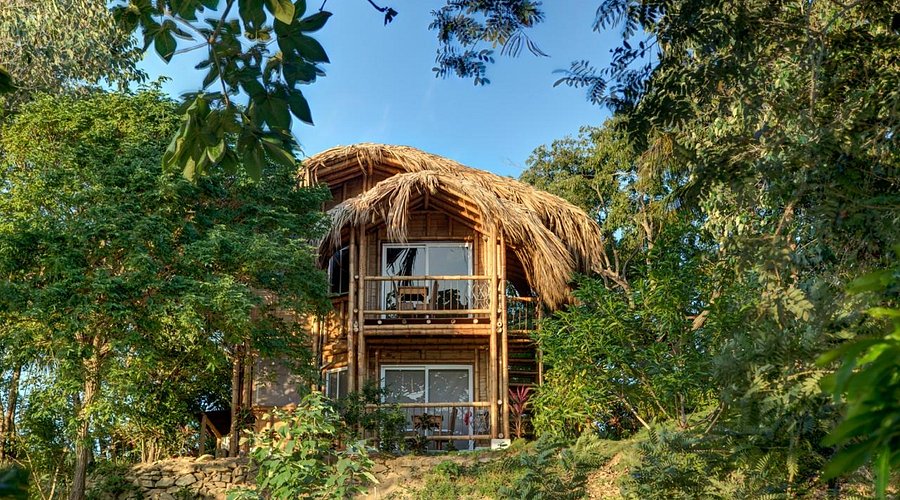
Nestled within Parque Tayrona – one of Colombia’s most breathtaking national parks – Villa María exemplifies what it means to operate in harmony with place and people.
As a locally owned business, they consider the importance of indigenous culture and wisdom, recognizing that they’re guests on land the Kogui, Arhuaco and other indigenous communities have considered sacred for generations.
They offer cultural experiences to help deepen guests’ connection with these communities:
“We share information with our guests on the cosmovision, spiritual practices and conservation principles [of these Indigenous groups] that come from their role as “Guardians of the Sierra”.
-Jose Samir B, Villa Maria
Their commitment extends to genuine community partnership with 85% of the team being from the local area and ensuring that tourism benefits rather than burdens the neighbouring communities.
We bring guests here as part of our Ultimate Adventure Through Colombia & Trek Colombia’s Mountains and Lost City.
4. Betatown, Salento
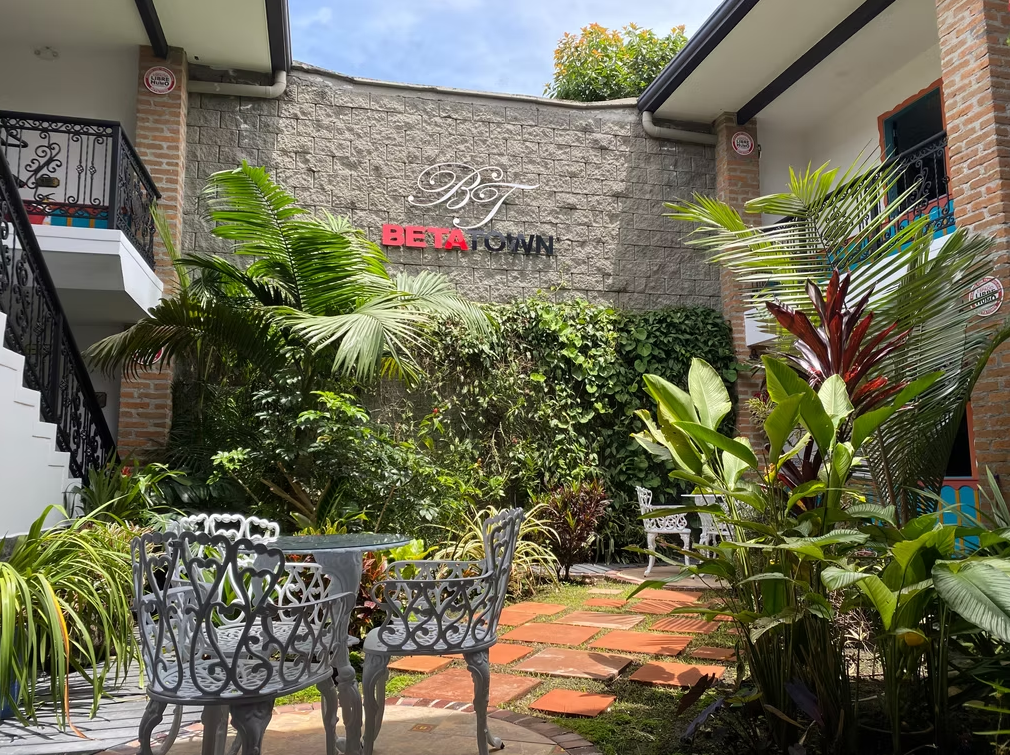
Betatown, a hotel in the heart of Salento, offers a homely charm and an extensive range of activities that will make you never want to leave! Run by a local family and with delicious local dishes to sample, it is a perfect example of a business that is made to celebrate the local culture and support the local community.
Not only that but the hotel threads sustainability through every element of its business. Solar panels, LED and light sensors make energy efficiency a priority while recycling systems, a no plastic policy and the collection and use of rainwater pushes for waste reduction.
We bring guests here as part of our Trek Colombia’s Mountains and Lost City.
5. Tia Emiss, Salento
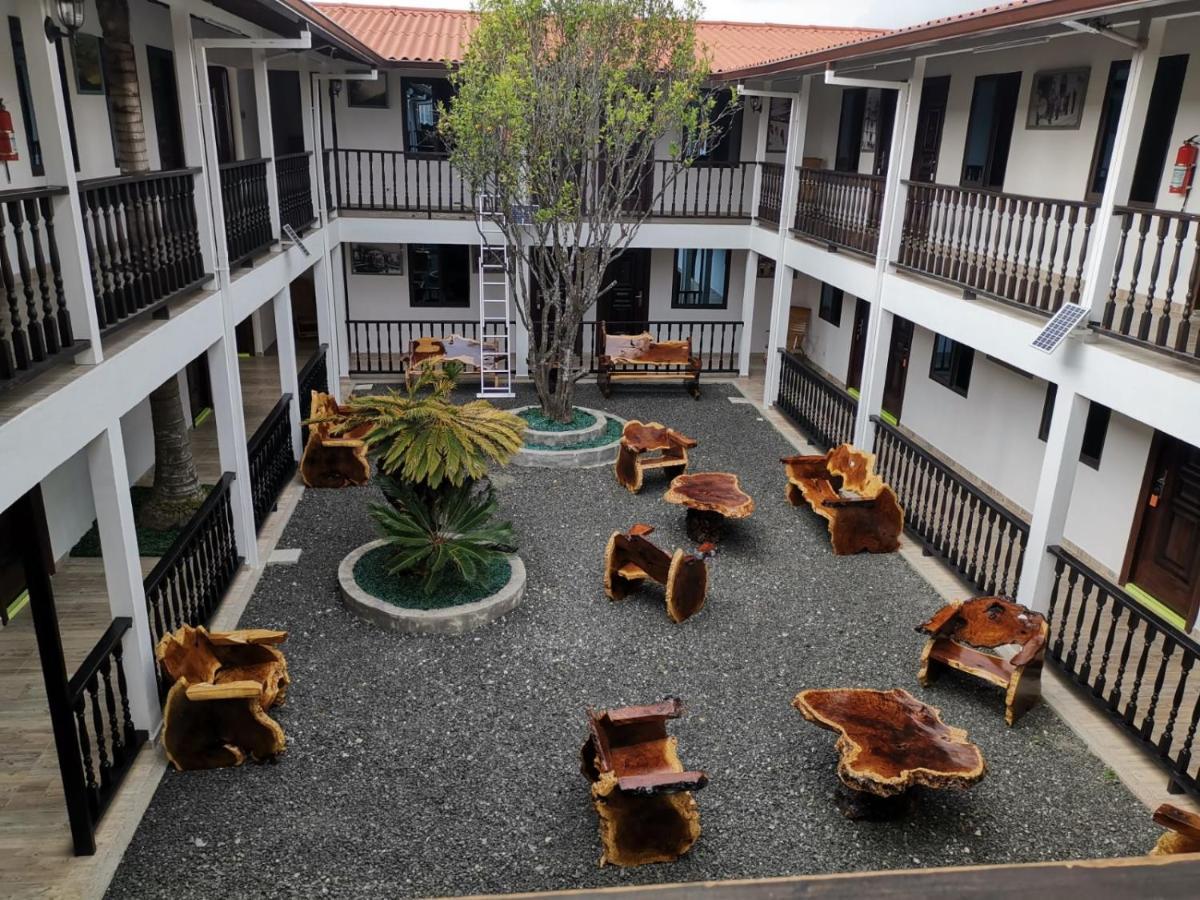
Housed in a lovingly restored traditional coffee region home in the heart of Salento, the vibrant colors and architectural details preserve the authentic character of one of Colombia’s most enchanting towns, Salento, in the Quindio region of Colombia. Every decision they make seeks to rebalance respect for the community, culture and environment, offering authentic experiences that show the best of the region.
In 2020 they installed solar panels not only to reduce energy but to promote sustainable practices throughout the business and neighbourhood. As a locally owned and operated business, the hotel ensures tourism benefits flow directly into the community that created and maintains this special place.
“The culture of Quindío is at the heart of everything we do. We preserve its traditions, cuisine, traditional architecture, and customs of the Coffee Cultural Landscape, integrating them into every experience we offer our visitors.
We believe that keeping this heritage alive is essential: it strengthens our identity, enriches the experience of those who visit us, and ensures that future generations can learn about and appreciate our roots.”
– Tia Emiss Team.
We bring guests here as part of our Trek Colombia’s Mountains and Lost City.
We continue to look for the most inspiring accommodations across Colombia that share in our passion to preserve the environment and support local communities and economies. And we’re excited to continue to share them with you!


